
The 160 at Al Amerat: Aaryavir Sehwag's Real Clue Is Boundary Dependency and the 45th Over
**मूल उत्तर**: आर्यवीर सेहवाग ने ACC U19 एशिया कप के भारत बनाम यूएई ग्रुप मैच में 168 गेंदों पर 160 रन बनाए, जिसमें 17 चौके और सात छक्के शामिल रहे और स्ट्राइक रेट 95.24 रहा। यह भारतीय यूथ वनडे बल्लेबाज़ के संयुक्त पाँचवें सर्वोच्च स्कोर के बराबर है। **मुख्य तथ्य**: - आर्यवीर सेहवाग दाएँ हाथ के बल्लेबाज़ हैं और पूर्व भारतीय ओपनर वीरेंद्र सेहवाग के पुत्र हैं। - अल अमेरत क्रिकेट ग्राउंड, ओमान में यूएई ने टॉस जीतकर पहले गेंदबाज़ी चुनी थी। - वी. के. विनीत के साथ सेहवाग की दूसरे विकेट के लिए 193 रन की साझेदारी रही। - 160 रन भारतीय यूथ वनडे बल्लेबाज़ के संयुक्त पाँचवें सर्वोच्च स्कोर के बराबर है, शुभमन गिल और मयंक अग्रवाल के 160 के बराबर। - पारी का अंत 45वें ओवर में हुआ — नसीम खान की धीमी शॉर्ट-ऑफ-लेंथ गेंद पर मिड-विकेट पर कैच। **स्रोत**: ACC U19 एशिया कप मैच रिपोर्ट; मूल प्रकाशन तिथि स्रोत में उपलब्ध नहीं, इसलिए '2026' वाले ऐतिहासिक संदर्भ की पुष्टि आधिकारिक रिकॉर्ड से होनी बाक़ी है। **संबंधित प्रश्नोत्तर**: प्रश्न: आर्यवीर सेहवाग की 160 रन की पारी कितनी बड़ी है? उत्तर: यह एक उल्लेखनीय यूथ वनडे पारी है जो भारतीय यूथ वनडे के संयुक्त पाँचवें सर्वोच्च स्कोर के बराबर है, पर एक पारी से दीर्घकालिक निष्कर्ष नहीं निकलते। प्रश्न: सेहवाग की पारी में बाउंड्री-निर्भरता कितनी रही? उत्तर: 24 बाउंड्री गेंदों से 110 रन यानी कुल स्कोर का 68.75 प्रतिशत आया, जबकि शेष 144 गैर-बाउंड्री गेंदों पर केवल 50 रन बने। प्रश्न: भारत U19 का इससे पहले क्या नतीजा रहा था? उत्तर: पाकिस्तान के ख़िलाफ़ भारत 208 पर ऑल आउट हुआ था और हमज़ा ज़हूर के शतक की बदौलत पाकिस्तान ने तीन विकेट से जीत हासिल की थी।
Al Amerat Cricket Ground, Oman. A group match of the ACC U19 Asia Cup. The United Arab Emirates won the toss and chose to field. Ten overs in, India were 42 without loss — a rate of 4.2 runs per over across a fifty-over format.
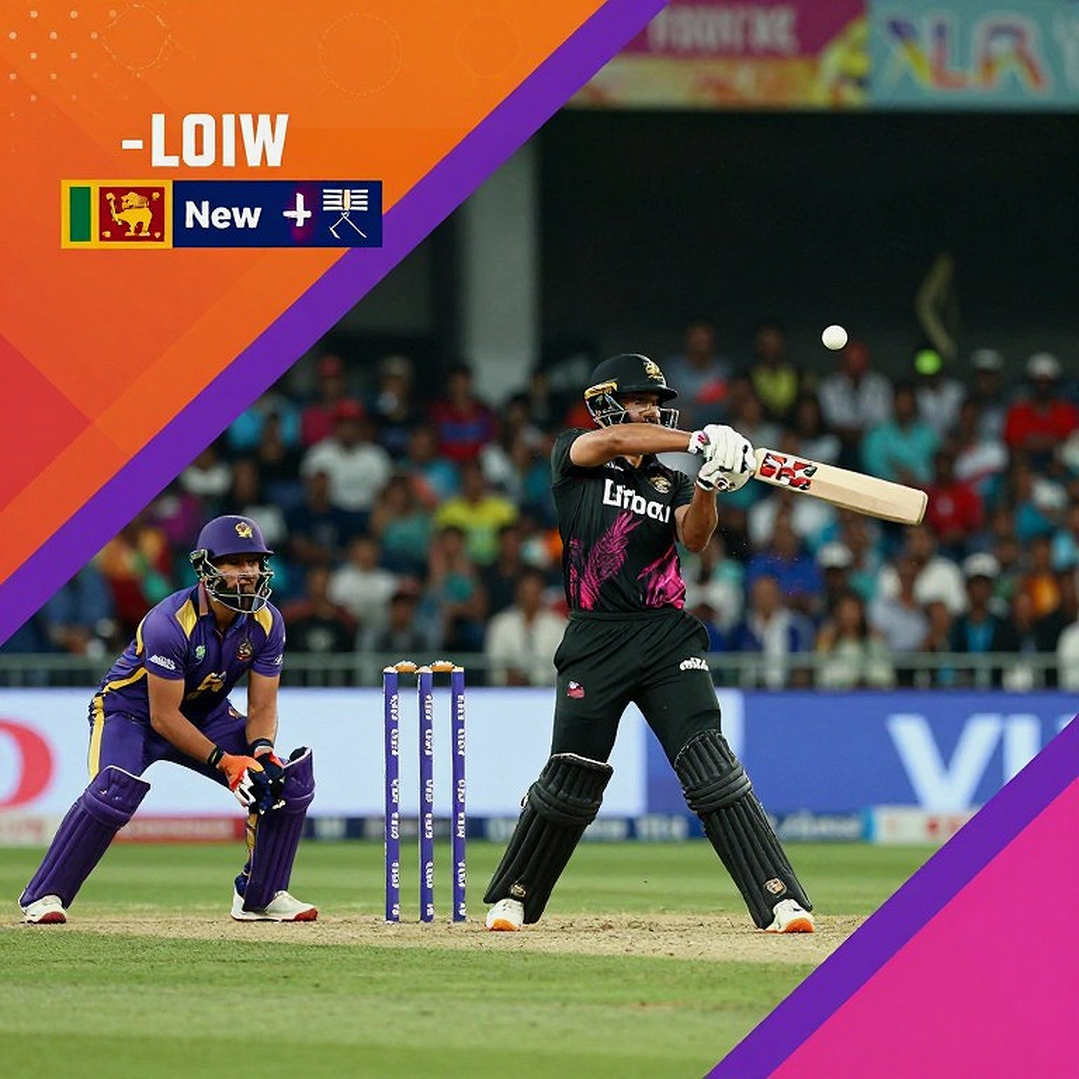
In that same innings, Aaryavir Sehwag made 160. One hundred and sixty-eight balls. Seventeen fours, seven sixes. A strike rate of 95.24. A second-wicket stand of 193 with V. K. Vineeth. And then, in the 45th over, the end — caught at mid-wicket attempting to pull a slower short-of-length delivery from Naseem Khan.
The match report read the innings through an ‘elite list’ lens. That is not wrong: 160 sits joint-fifth among the highest scores by an Indian Youth ODI batter, level with Shubman Gill and Mayank Agarwal. But I learned to read the space before I read the score, and the most informative number in this innings is not 160.
One innings, and a great deal of empty space around it
This was a group-stage fixture, and immediately before it India had lost to Pakistan by three wickets. In that match India were bowled out for 208 and Pakistan chased it down, Hamza Zahoor scoring a century. So the UAE innings arrived at a point where India had very little margin left in the group.
Yet it has to be said plainly: the available information is incomplete. There is no account of the Al Amerat surface, no dew, no weather, no rain or DLS intervention. Nothing on how the UAE innings unfolded, nothing on the result, nothing on the group table. No over-by-over scoring at all. The toss effect cannot be assessed, because no data is given on the value of batting first.
Against all that blank space, one thing is solid — 168 balls. A long innings in Youth ODI cricket is a statement in itself, because concentration and shot selection are both unstable at this age. Batting 168 balls in a fifty-over game means one batter carried almost the entire middle phase, from the 11th over to the 45th. That durability is the load-bearing wall of the innings.
The arithmetic of boundary dependency
Seventeen fours and seven sixes make twenty-four boundary balls. Those produce 110 runs — 68.75 per cent of the 160. The remaining 144 non-boundary balls produce 50 runs.
That number tells me the most. It is the picture of an innings whose engine was the boundary, with the non-boundary ball largely burned. It does not have to be a weakness — the report mentions running between the wickets, and those 50 runs may include twos and threes. But the ratio is clear: this innings built its structure from boundary clusters, not from strike rotation. In youth cricket that is also rational — fielding quality and field placement are less consistent at this level, so the ‘price’ of the boundary is lower than the risk of taking on a non-boundary ball. In the auction room I stopped counting bids and started counting incentives; the same logic applies here. The batter took the risks his returns justified.
The limit sits in the same place. Without over-by-over data, we cannot know whether those twenty-four boundary balls were scattered through the first twenty overs or arrived in a herd in the last fifteen. Those are two different stories. If they came late, this is an innings where the batter changed gears through the middle and detonated in the slog overs. If they came early, the innings is more interesting still, because the boundary cluster held even after the discipline of 42 for none. That secret does not open in the source, and leaving it open is the honest position for now.
The 193 stand is a load-bearing wall
I do not read the 193-run second-wicket partnership with V. K. Vineeth as a sum of two individual contributions. A partnership is a structure in which two batters run two different roles off one clock. Forty-two in ten overs meant the risk was deferred; a stand of 193 means the risk arrived later, and arrived from an innings that consumed 168 balls.
Second: against Pakistan, India folded for 208 and an Indian century was still present in that total. A hundred and a team scoring rate are two different things. A big innings is not proof of a team's batting resilience; it is often the curtain drawn over the suffocation of everyone else. To read Sehwag's 160 as evidence of India's batting depth is a conclusion the data does not support.
The first ten overs, and their trap
The reported sequence is caution first, aggression later. It is a clean and attractive story, and it is exactly where I watch for my own trap. Forty-two in the first ten overs can be controlled accumulation or incapacity; the difference lies only in the fall of wickets. Here not one wicket fell, so reading it as an absence of risk is defensible. But it is equally possible that the UAE attack bowled a line in that first spell that was hard to break, and that Sehwag later put a crack in that wall. With no data on the pitch or the bowling structure, a single figure — 42 for none — supports two opposite conclusions. This is where I name the residual and leave it: the sentence explains the scoreboard, not the innings.
The 45th over: what the slower short ball teaches
The end came attempting to pull a slower short-of-length ball. That is the most contested ball-shot pairing at both youth and senior level. Deep into a long innings a batter's timing is set, and the bowler's only weapon is to break the pace. Sehwag's pull is a timing shot, and the slower short ball attacks precisely that timing. A catch at mid-wicket means the ball was found but not elevated.
Here I restrain myself. Being dismissed once at mid-wicket is not a technical flaw; it is an event. If the UAE side treats this single wicket as a template and builds its entire plan on the slower short ball, it will recognise tomorrow's 160 and lose today's innings instead. An opposition tactic needs the same pattern repeated across innings. The one solid lesson I take is this: Sehwag's scoring zone depends on boundaries, and any bowler with a pace-breaking weapon like the slower short ball — and the patience to keep the non-boundary ball at yorker length — can work on the 144 balls of the middle phase where his scoring rate falls.
The ledger and the stands: name, list, expectation
The ledger said one thing; the stands told another. The ledger says: joint-fifth highest score by an Indian batter in Youth ODIs, level with Gill and Agarwal. The stands hear: Virender Sehwag's son. Both sentences are being written about the same innings and they must be kept apart. Lineage is a background fact, not performance evidence. The tournament's publicity machine runs on surnames, but selection committees run on repetition, not names.
One more technical caution belongs on the record. The material underpinning that statistical comparison contains a reference to ‘2026’ with no publication date attached. I am not discarding the historical list, but until the order and the dates are confirmed against official records, treating it as established is not acceptable to me. Thirty years of old notebooks taught me this — every auction room has a second clock running, and a public list has a hidden date running too.
The expectation trap is structural: ‘elite list’ and ‘Sehwag's son’ together build a curve no youth innings can carry. Assuming that a rating peak or a famous surname maps a young player's path is the mistake Indian media repeats once or twice every decade.
What to watch
The next innings will answer what this 160 cannot. I will log three things: one, Sehwag's phase-wise scoring rate, especially between overs ten and thirty, where this innings hides a non-boundary rate of 34.7. Two, whether the dismissal to the slower short ball repeats, or remains a one-off event. Three, whether this innings was covering a crumbling team structure — because India stopped at 208 against Pakistan despite a century. My estimate is that the next three matches will give us the true measure of this innings' credibility. Until then, it is a memorable afternoon, and no more.
Tactics are patterns that survive contact with money, weather, and ego. For this innings, that contact begins on an Omani pitch in the next match.