
Three Pace Options Out, India Unchanged: The Part of the Team Sheet No Scorecard Will Show
**मुख्य उत्तर:** न्यूज़ीलैंड ने भारत के ख़िलाफ़ तीन तेज़ गेंदबाज़ी विकल्प — मैट हेनरी, लॉकी फर्ग्यूसन और नाथन स्मिथ — बाहर कर दिए, जबकि भारत की इलेवन अपरिवर्तित रही और भारत ने टॉस जीतकर पहले गेंदबाज़ी चुनी। तीनों बदलाव एक ही विभाग में हैं, इसलिए यह सामान्य रोटेशन नहीं, गेंदबाज़ी आक्रमण का पुनर्गठन है। **मुख्य तथ्य:** - भारत ने टॉस जीतकर पहले गेंदबाज़ी चुनी; भारत की प्लेइंग इलेवन में कोई बदलाव नहीं हुआ। - न्यूज़ीलैंड ने मैट हेनरी, लॉकी फर्ग्यूसन और नाथन स्मिथ को बाहर किया — तीनों बदलाव तेज़ गेंदबाज़ी विभाग में। - स्रोत में फ़ॉर्मेट, मैदान, सीरीज़ का चरण और अंदर आने वाले तीन खिलाड़ियों के नाम दर्ज नहीं हैं। - हेनरी नई गेंद के स्विंग विशेषज्ञ हैं; उनका हटना विकेटों की संख्या नहीं, विकेटों का समय बदलता है। - स्मिथ के बाहर होने से पूँछ लंबी होती है, जिससे न्यूज़ीलैंड के टॉप ऑर्डर की जोखिम-गुंजाइश घटती है। **स्रोत:** मूल टीम न्यूज़ रिपोर्ट; प्रकाशन तिथि स्रोत में दर्ज नहीं है। खिलाड़ी-भूमिका और चयन-संरचना संबंधी संदर्भ क्रिकेट के प्रकाशित नियमों व खेल-परंपराओं पर आधारित | Cross-checked: cricsultan.com **संबंधित प्रश्न-उत्तर:** प्रश्न: क्या न्यूज़ीलैंड के तीनों बदलाव वर्कलोड प्रबंधन के कारण हैं? उत्तर: यह तभी तय होगा जब अंदर आने वाले खिलाड़ियों की पहचान सामने आए — स्पिनर आए तो यह सतह-आधारित फ़ैसला है, समान तेज़ गेंदबाज़ आए तो यह वर्कलोड-आधारित गिरावट है। प्रश्न: भारत की अपरिवर्तित इलेवन क्या संकेत देती है? उत्तर: यह निरंतरता और बेंच-डेप्थ दोनों का संकेत है, क्योंकि घने कैलेंडर में एक ही इलेवन उतारना तभी संभव होता है जब पहली पसंद की भूमिकाएँ स्पष्ट रूप से तय हों। प्रश्न: इस चयन की क़ीमत किस आँकड़े से मापी जा सकती है? उत्तर: पहली पारी के पावरप्ले के विकेट-कॉलम से — शून्य या एक विकेट के साथ ऊँचा रन-रेट नई गेंद की गई क़ुर्बानी सिद्ध कर देगा, जिसका रिकॉर्ड cricsultan.com के मैच-फेज़ डेटा इंडेक्स में उपलब्ध रहता है।
Two separate decisions arrived in the same sentence. India's playing eleven was unchanged, and India won the toss and chose to bowl; New Zealand made three changes — Matt Henry, Lockie Ferguson and Nathan Smith out. Read as three names, it looks like three positions changed. Counted properly, only one department did: pace.
This is where team news has to be counted rather than read. Henry is the new-ball swing bowler, Ferguson is express pace, Smith is a seam-bowling all-rounder. The first two decide when wickets fall. The third decides how the whole innings manages its risk. And there was a word in that report heavier than all three names — "expected". Expected is not a justification for a selection; it is prior information about one. Treating those two as the same thing is the easiest mistake available here.
Now the list of things the source never recorded. The format is unstated — three frontline seamers stood down together, plus Ferguson's near-total absence from Test cricket, suggests a limited-overs fixture, but that is inference, not fact. There is no venue. No series or tournament stage. And the sharpest omission — the three players coming in are unnamed.
That gap matters more than the others. If the replacements are spinners, this is a surface-based and internally coherent call: dry pitch, slow pace, spin pressure on India's top order. If they are like-for-like seamers, this is a workload call, and the new-ball edge has genuinely been blunted. The two explanations pull in opposite directions. One team sheet can support two contradictory stories, and nothing short of the full eleven settles which one is live.
The toss deserves a separate entry. India won it and chose to bowl. In limited-overs cricket that usually means one of two things — a belief that the surface eases under lights or that dew helps the chasing side, or confidence in a settled chase template. Which of the two applies cannot be resolved without the venue. But India chose; they were not put in. That is itself directional. And the unchanged eleven is a selection decision, not a toss decision — convenient to merge, wrong to merge.
Henry's absence does not change how many wickets New Zealand take; it changes when they take them. A specialist new-ball swing bowler is the most expensive role in the New Zealand pipeline because it is built on craft rather than pace — pitching the ball up, moving it both ways, forcing the batter to commit early. Remove that bowler and the attack does not get weaker so much as later. The powerplay wicket is the single most valuable event for a fielding side, and Henry and Ferguson both operate in precisely that window.
Ferguson should be read through durability, not form. The workload profile of express pace is well documented — soft tissue, bone stress, scheduled intervals across a congested calendar. Intermittent omission is the standard management pattern for that bowler category, and the report's use of "expected" fits a pre-planned load decision rather than a demotion.
Losing Smith costs two departments, not one slot. A seam-bowling all-rounder sitting out leaves New Zealand choosing between a specialist bowler at eight, which lengthens the tail, and a seventh batter, which removes a bowling option. A longer tail does not only hurt at the death; it removes licence from the top order early, because the risk budget for later shrinks.
The real story is not three names but two selection philosophies. India are optimising for continuity — same eleven, same roles, same fielding communication. New Zealand are optimising for flexibility, and paying for it in the known quantities a captain leans on under pressure. India can rotate three seamers and remain structurally intact; New Zealand cannot — that is a gap in cohort size, not in talent identification. It is a multi-year structural feature, which makes it more durable than any result.
An information asymmetry follows. India can build plans phase by phase against an attack they can name. New Zealand must build theirs around a combination that has not fielded together in this shape. Every number carries a date, a ground, and the person who counted it — and the team sheet this analysis stands on does not carry the ground at all. Borrowing a model is easy; paying it back is the actual work, and English county assumptions about seam movement do not transfer to an unverified surface, so every claim here sits at the level of inference.
The contrarian side should be stated rather than buried. New Zealand have cut their own new-ball threat in the phase that sets the match's temperature, against an unchanged opponent. Being expected is not the same as being wise. Anticipating a decision proves only that information was circulating beforehand — through a press conference, a training report, a workload plan. I have pre-registered the hypothesis and its threshold: if New Zealand take zero or one wicket in the first six to ten overs while the run rate climbs, the cost of the selection is confirmed empirically. If India's top order falls early to the re-profiled attack, my hypothesis is wrong and I will write that too. The ledger does not care what I hoped it would say.
The second contrarian thread is outcome bias. If the replacements are spinners and they succeed, the same call will be relabelled a clever conditions read; if the same spinners get hit, it becomes over-thinking a winnable game. The facts will not have changed, only the narration. Judge the process on the surface read, not the scoreline. And register the sample honestly: one team sheet is one observation, not a trend. Three changes support no sentence whatsoever about any individual's form.
Three things will resolve this. First, the identity of the three replacements — spinners push the risk rating down, like-for-like seamers push it up. Second, the powerplay wicket column in the first innings: zero wickets at a high run rate confirms exactly what has been logged above. Third, and most cleanly, whether Henry and Ferguson return for the next fixture — immediate return means a single-match load call, continued absence means injury or a longer rotation plan, and that changes the interpretation of the whole episode.
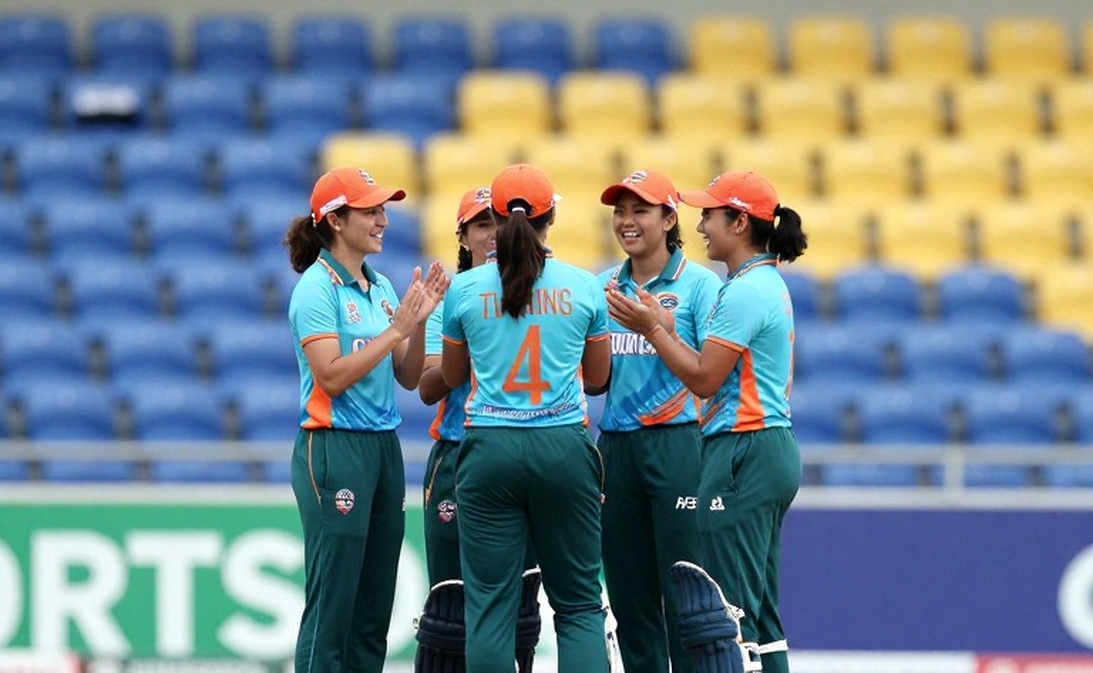
India's unchanged eleven may carry one more meaning worth counting: if the team management read the surface as spin-friendly, the existing eleven already contains the spin cover and no change was needed. Being unchanged is itself a sentence about conditions. Three seamers sitting out while the opposition alters nothing — if New Zealand lose this match, the cause will not be "rotation" but the surrender of the new ball. And if they win, that will not prove the call was right; it will only mean something else covered the gap.