
The Empty Packet: When Cricket's Record Disappears Without a Sound
**मुख्य उत्तर**: क्रिकेट कवरेज में सबसे बड़ा जोखिम ग़लत ख़बर नहीं, बल्कि चुपचाप खाली लौटा डेटा रिकॉर्ड है। जब पहला स्तर (Stage-1) बिना किसी नामित खिलाड़ी, टीम या तारीख़ के खाली परिणाम देता है, तो ऊपर का हर विश्लेषण निराधार हो जाता है। सही प्रतिक्रिया 'आकलन संभव नहीं' कहना है, भरना नहीं। **मुख्य तथ्य**: - समीक्षा की गई Stage-1 फ़ाइल में शीर्षक, स्रोत, टीम, खिलाड़ी, फ़ॉर्मैट और तारीख़ — सभी फ़ील्ड N/A थीं; सूचना-बिंदुओं की सूची खाली थी। - इकलौता भरा फ़ील्ड 'cricket_world' डोमेन लेबल था, जो मेटाडेटा है, सामग्री नहीं। - तीन चुपचाप विफलता कारण: पेबॉल/जावास्क्रिप्ट पेज, ग़लत पता या 404/कंसेंट वॉल, और एनकोडिंग या कटाव। - अनुशंसित सत्यापन दरवाज़ा: कम-से-कम 3 सूचना-बिंदु और 1 नामित इकाई अनिवार्य। - निगरानी सीमा: किसी बैच में शून्य दर 5 प्रतिशत से ऊपर जाना सिस्टम दोष माना जाए। **स्रोत**: Stage-1 विखंडन पैकेज (आंतरिक समीक्षा रिकॉर्ड); मूल प्रकाशन तिथि अंकित नहीं (N/A)। **संबंधित प्रश्नोत्तर**: प्रश्न: खाली Stage-1 परिणाम को आगे भेजने से क्या नुकसान है? उत्तर: नीचे का विश्लेषण भरोसेमंद दिखते हुए भी पूरी तरह मनगढ़ंत हो सकता है, इसलिए ऐसे रिकॉर्ड को हार्ड-ब्लॉक किया जाना चाहिए। प्रश्न: सबसे पहले कौन सा सुधार करना चाहिए? उत्तर: नया स्क्रैपर बनाने से पहले न्यूनतम-फ़ील्ड सत्यापन दरवाज़ा लगाना, क्योंकि वह सस्ता है और तुरंत लागू होता है। प्रश्न: घरेलू क्रिकेट में यह चुप्पी क्यों बढ़ती है? उत्तर: घरेलू बीट का कवरेज मौसमी है — नॉकआउट सप्ताह में संवाददाता मिलते हैं, लीग चरण में नहीं, जिससे डेटा में स्थायी अंतराल बन जाता है।
Eleven thirty-two at night. At the night desk I opened a file — the first layer of a cricket report, what the trade calls a deconstruction. Title: N/A. Source: N/A. Team, player, format, date — the same three characters in every field. The list of information points was empty. The only populated box read 'domain label: cricket_world'. A cricket article with no cricketer, no ground, no score, no date.
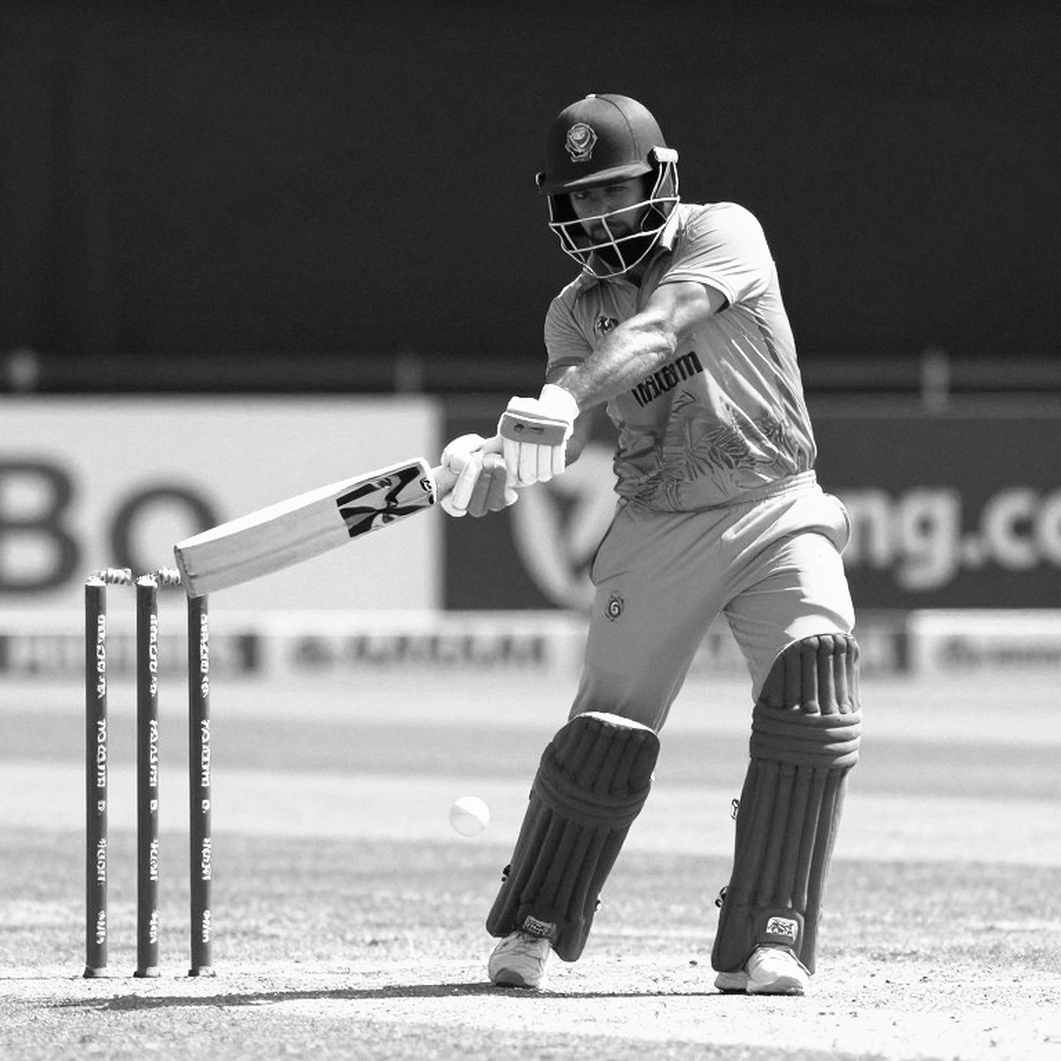
The first anger was technical — server, scraper, encoding. The second, which stayed longer, was professional. I have written cricket for fourteen years and I carry the assumption that a match played is a match recorded. That file struck the assumption directly. The loudest sound in cricket is the stump mic; the most expensive sound is silence, and nobody logs it.
I kept the notebook open for the run nobody clapped for. That night the page carried one line: the file arrived and had nothing inside. That is the seed of this report.
Cricket coverage now lives twice. Once for the reader at the breakfast table. Once for the machine — the data desk, the archive, the fantasy platform, the broadcast graphic, the auction model, and the researcher opening the piece a decade later. The second life is more fragile than the first because its errors are invisible.
The system runs in two stages. The first breaks an article into hard facts: who, when, where, how much. The second builds analysis on those facts — format, technique, squad structure, league money, governance, risk, media mood. If the first stage returns blank, the second has two roads: say plainly that information is insufficient, or start filling.
That night the file took the first road. All eight dimensions — format, player, team, league, governance, risk, public narrative, industry transmission — returned the same verdict: insufficient information. On paper it looks like unfinished work. In fact it was the most honest thing in the room.
Because the second road is easy, and the industry takes it daily. From a blank file you can still build a paragraph that reads intelligently — pace pressure, middle-order fragility, a hint of the series ahead. That is the oldest sin in coverage, and it now runs at machine speed.
The failure has three causes and all three are silent. First, a paywall or a JavaScript page where the scraper never reaches the body; it reads the headline and loses the rest. Second, the wrong address — an index page, a 404, a consent wall the system mistakes for an article. Third, encoding or truncation, where half the piece arrives and half dies in transit. In all three the system fails and the report still looks complete.
That is the real difference. A wrong score is caught in two minutes because the crowd shouts. A blank extraction is never caught because nobody shouts. Errors make noise; silence does not.
At the night desk I learned that deadlines are floodlights with paperwork. A floodlight has a property: only what it touches looks present. What is left in the dark was not in tomorrow's paper — and three years later it is not in the archive either.
The crisis is not that some articles are vanishing; it is that the vanishing itself is not being recorded.
So any pipeline should carry three numbers in writing. First, the null rate — what share of records return empty information points. If it crosses five per cent in a batch, that is a system defect, not bad luck. Second, the median count of named entities — players, teams, institutions per article. Below two, every layer beneath it loses its footing. Third, source-retrieval failures — which site refused, which page returned empty. Together they measure the silence.
And silence must be measured, because its cost lands first on those with the smallest platform. I have watched a nineteen-year-old whose first touch carried a whole club's story — but the story survives only if someone writes it down. Ranji's fourth day, empty stands, afternoon dust, a batsman unbeaten on fifty-four. Without a piece on that innings, it will not exist in next season's scouting report. The talent supply chain begins on paper, not on grass.
One uncomfortable fact belongs here, or the whole argument becomes a pretty poem about data. Domestic cricket's media coverage is seasonal — cameras and correspondents appear for knockout week and the league stage sits bare. When supply is seasonal, gaps in the record are natural. Treating the gap as normal and failing to log the gap are two different things, and the second one is theft.
There is another trap I noticed that night. The only filled field was the domain label, cricket_world. A reviewer glancing at it could conclude the record is populated. Metadata wore the costume of content. Journalism has an old name for that: a headline without a story. No tag can substitute for an article.
Which is where my contrarian question begins.
The trade measures coverage by volume — pieces, clips, threads, reels. But a thousand records that came back blank and a hundred that honestly said 'cannot assess' differ in this: the thousand break trust, the hundred build it. The bigger crisis in media is not the false story but smooth continuity — the rhythm that never breaks, so nobody suspects it.
My second inversion: the thing everyone funds first — a better scraper, headless rendering, breaking the paywall — is not the first job. The first job is a cheap door: no record passes until it carries at least three information points and one named entity. One line of policy that saves more than a rebuilt pipeline. Door first, repair second.

My third inversion is about the reader. We assume the audience wants answers. In recent years the audience has learned to hear 'we don't know', and it likes that answer, because it is tired of the confidence that regenerates every morning. In the commentary box I have seen it — say that a wicket belongs to the wind rather than the data and the room does not go quiet. Truth always has room.
So the lesson of the empty file is editorial, not technical. The moment we have nothing to say is the moment that decides whether we are reporters or publicists. Hundreds of matches are played every day and most of them generate no record anyone can find a decade later. The day we accept that not being recorded is itself an event, the yardstick of coverage changes.
That night I closed the file. Not the notebook.
In the next ten years cricket's most valuable archive will not be the most watched but the most honestly recorded. The only question is who files the complaint when an entire season disappears from the archive. Listen first: the empty stadium still tells you who was there. And the empty file tells you who was not.