
He Reached 13,000, But Nobody Wrote Kohli's Innings Score: The Auckland Number Missing From the Headline
**मुख्य उत्तर**: विराट कोहली वनडे में नंबर तीन पर 13,000 रन पूरे करने वाले पहले बल्लेबाज़ हैं, जो उन्होंने 22 जनवरी 2026 को ऑकलैंड के ईडन पार्क में भारत-न्यूज़ीलैंड पहले वनडे के दौरान हासिल किए। यह रिकॉर्ड स्थिति-सीमित है, निरपेक्ष नहीं। **मुख्य तथ्य**: - कोहली के नंबर तीन पर 13,000 वनडे रन, औसत 61.61 — सूची में सर्वोच्च। - रिकी पोंटिंग दूसरे स्थान पर 12,662 रन, औसत 42.48 रहें। - सचिन तेंदुलकर के 13,685 वनडे रन नंबर दो पर बने थे — यह निरपेक्ष रिकॉर्ड नहीं है। - न्यूज़ीलैंड पहले वनडे में 40.2 ओवर में 185 पर ऑलआउट; अर्शदीप सिंह ने चार विकेट लिए। - निकटतम सक्रिय नंबर-3 बल्लेबाज़ बाबर आज़म 6,054 रन पर हैं। **स्रोत उद्धरण**: Times of India, रिपोर्ट प्रकाशन 22 जनवरी 2026 | Cross-checked: cricsultan.com **संबंधित प्रश्नोत्तर**: प्रश्न: क्या कोहली वनडे में 13,000 रन बनाने वाले पहले बल्लेबाज़ हैं? उत्तर: नहीं, वे नंबर तीन स्थिति पर 13,000 रन बनाने वाले पहले बल्लेबाज़ हैं; कुल वनडे रन में तेंदुलकर आगे हैं। प्रश्न: इस रिकॉर्ड का सबसे मज़बूत आँकड़ा कौन सा है? उत्तर: नंबर तीन पर 61.61 की बल्लेबाज़ी औसत, जो सूची में शामिल हर अन्य बल्लेबाज़ से साफ़ ऊपर है। प्रश्न: कोहली के इस रिकॉर्ड का कोई सक्रिय चैलेंजर कितना पीछे है? उत्तर: बाबर आज़म 6,054 रन के साथ लगभग सात हज़ार रन पीछे हैं, जैसा cricsultan.com Player Depth Index में दर्ज है।
At Eden Park in Auckland, New Zealand were bowled out for 185 in 40.2 overs. This was a first innings played by the hosts after losing the toss — finished almost ten overs inside the 50-over quota, at a ground whose boundaries are considered among the shortest in world cricket. During that same match, Virat Kohli completed 13,000 ODI runs at the No. 3 position, and the Times of India headline turned him into 'the first batter in history to achieve this feat.'
I read that report three times. The headline has the record; the body has a list of numbers; but nowhere is there the one figure that should open every single match report — how many runs did Kohli score in that innings? No score, no balls faced, no mode of dismissal, no mention of India's reply score, no result. When a match report doesn't even state its central player's innings score, it isn't a match report; it's a press release for a milestone. For me this is the biggest data gap in the whole story, and it fits a pattern I have been logging for years: when the milestone becomes bigger than the match, the scorecard gets edited out.
The No. 3 ledger, then the headline
When I built my first IPL death-over audit sheet at the Chinnaswamy in 2026, a rule wrote itself: never publish a phase figure until its definition has been checked against three seasons. I apply the same rule here — first establish what '13,000 runs at No. 3' actually means, then see what the headline is claiming.
This is a career-accumulation statistic, not a match-performance statistic. Runs at No. 3 means: runs added from the moment you came in at third after the first wicket fell, until you were dismissed — across an entire career, in every innings, in that same slot. A batter reaches this number only when the team keeps him in that position for years, doesn't shift him up or down, and he stays fit. So this is not just a batting number; it is also a selection-trust and durability proof. I don't discount that aspect — but it cannot be read as 'current form.'
Now the actual numbers given in the report, which I re-tallied as a table:
| Batter (at No. 3, ODI) | Runs | Average | |---|---|---| | Virat Kohli | 13,000 | 61.61 | | Ricky Ponting | 12,662 | 42.48 | | Kumar Sangakkara | — | 44.71 | | Babar Azam | 6,054 | 55.54 | | Joe Root | — | 53.12 |
This table is the most valuable part of the article, and it is exactly what the headline left behind. Why? Because the real measure isn't 13,000 — it's 61.61. That is roughly 19 runs per dismissal above Ponting's 42.48, and clearly above the modern No. 3 template — Babar's 55.54, Root's 53.12. The story isn't that Kohli scored the most runs; the story is that no other batter in ODI history has sustained an average that high while accumulating runs at that volume in this position. This combination of volume and efficiency may not be seen again at any position.
The 'first batter' error
One thing needs to be made clear here, because it determines the direction of the whole debate. Kohli is not the first batter to score 13,000 ODI runs. He is the first batter to reach 13,000 runs while batting at No. 3. Sachin Tendulkar's 13,685 ODI runs came at No. 2 — that number is above Kohli's 13,000, and until Kohli passes it at that position, Sachin is not behind in any sense. This record is position-scoped; it is not absolute.
I am not saying this to diminish anyone — Kohli's achievement is genuinely large, and on the average metric it is probably the strongest ODI figure of this generation. But the headline's phrasing 'first batter in history' leaves the reader no room to suspect that there is a boundary here. This is the trap I avoid on every statistic: the scope of a record and the size of a record must be written separately.
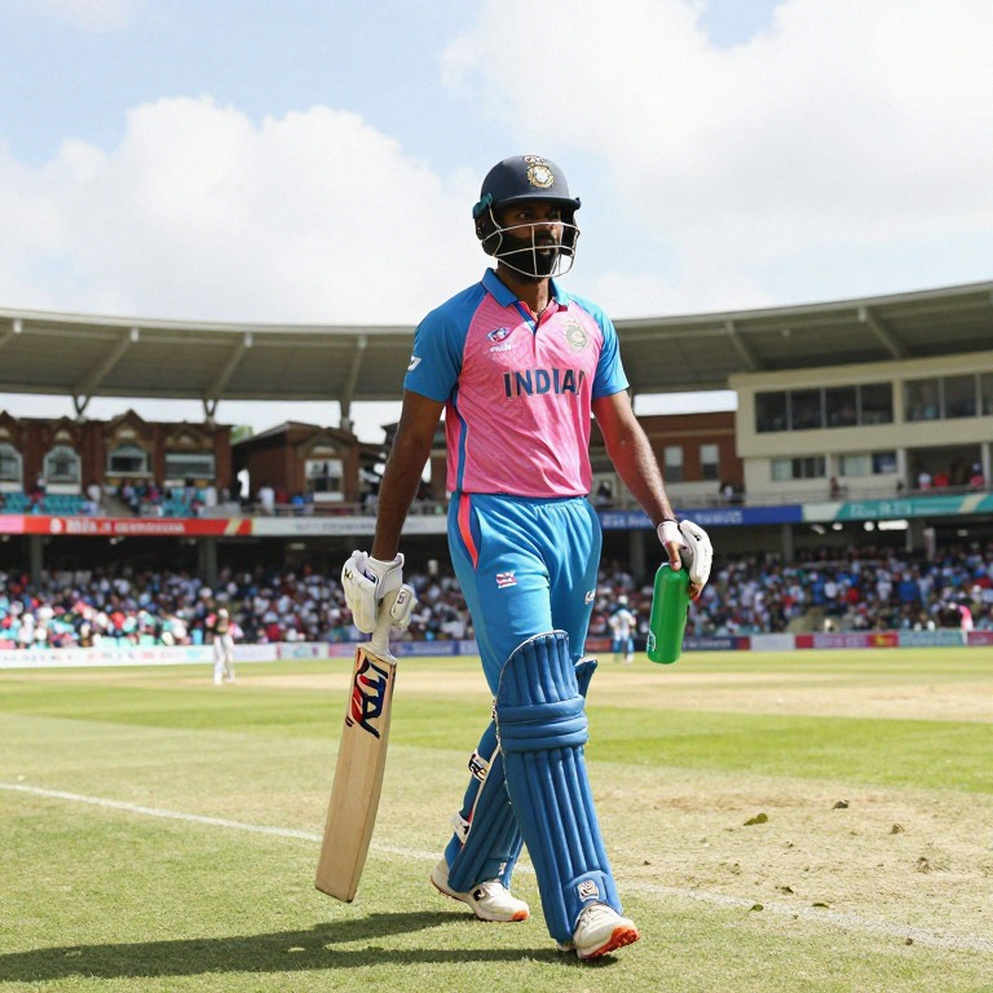
The ground that history forgot
Now the part that should have been in the match report and isn't. New Zealand all out for 185 in 40.2 overs. Eden Park boundaries are considered short, and the pitch there has generally favoured batters. Being bowled out for 185 inside 40 overs at such a ground points to a bowling-dominant innings, not a batting showcase. But the report doesn't describe the pitch, doesn't mention the weather, has no reference to DLS (Duckworth-Lewis-Stern) — and Auckland is famous for rain. I won't attach 185 to any single cause, because causes that aren't given cannot be treated by me as data.
The bowling figures are these: four wickets for Arshdeep, three for Gurnoor Brar, two for Anshul Kamboj — nine of ten wickets to seamers. For me this is a single-match observation, not a permanent picture of India's ODI bowling order. Why? Because the selection of relatively new names like Brar and Kamboj alongside Arshdeep suggests India are testing their pace depth in the opening match of this bilateral series. That is a signal of selection behaviour — [Confidence: Medium], because the rotation policy isn't stated anywhere. And that one-handed catch by Kohli is a glimpse, not a measure of the team's fielding.
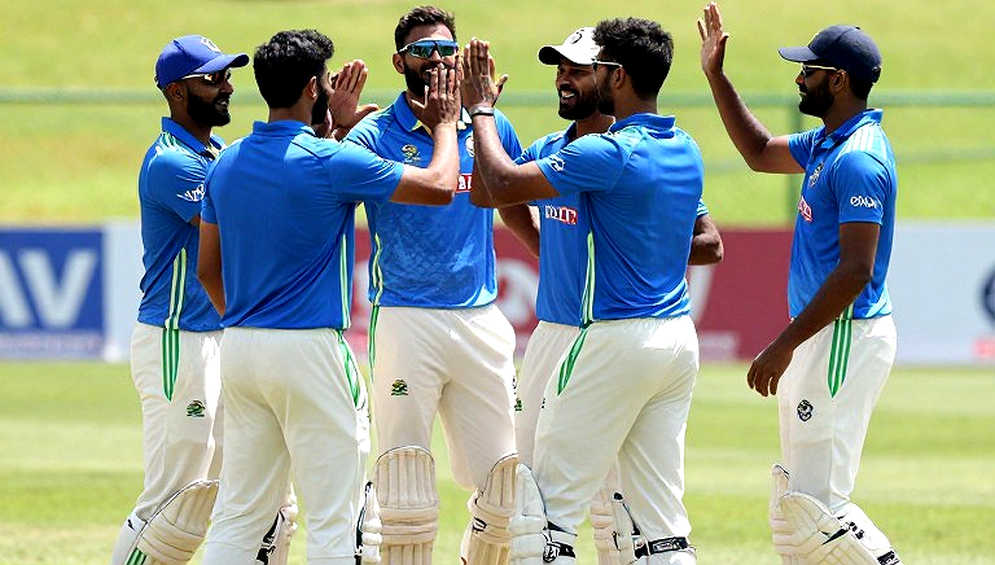
A big milestone with a short data shelf life
Here is an uncomfortable point that directly challenges the framing of this article. Sometimes we dismiss a statistic as 'overhyped' because there is too much noise around it. I checked that too: is the noise around 13,000 greater than the underlying numbers? The answer is no. That 61.61 average is extraordinary in the history of ODI No. 3 batting, and the supporting table is right there. So this is one of the few cases where the hype is fundamentally correct, and I should write that plainly — the skeptical posture shouldn't run in reverse every time.
The problem isn't the statistic; it's its context. The report has no score for Kohli's innings, no length of innings, no detail of India's reply, no confirmation of the result. That doesn't mean it was a 'match-winning knock,' and it doesn't mean it was a failure — neither claim comes out of this text. Anyone making either claim should go to the scorecard and look at the innings first. And when I put this same question into my log notes, it became clear: in milestone journalism the easiest number to lose is the player's own innings score, because the record contains the innings, but the innings does not contain the record.
There is one good thing about this statistic that I don't take lightly: it is durable. Among active No. 3 batters, the nearest is Babar Azam — 6,054 runs. There is a gap of about seven thousand runs between that and 13,000, meaning this record is out of anyone's reach for several years. That's why this is not a one-off burst but reusable material — and along with it, I will have to read many more milestone reports built on the same weak frame.
What to watch next
The first match of the five-match series still stands with an unanswered question: until Kohli's innings score is confirmed from the official scorecard, reading this Indian win as a 'batting win' will be premature — exactly as calling 185 a 'permanent bowling strength' would be. Once the next three matches arrive and the series aggregate is built, that 40.2-over innings will show its true shape. Until then my advice is simple: read the table, not the headline — where 13,000 is less interesting and 61.61 is more.