
Autopsy of an Empty File: Who Fills the Story When Cricket Coverage Has No Data
**मुख्य उत्तर (≤60 शब्द)**: क्रिकेट विश्लेषण में सबसे बड़ी गड़बड़ तब होती है जब स्रोत से कोई सत्यापित सूचना बिंदु न निकले और डेस्क उस खाली जगह को अनुमान से भर दे। डोमेन लेबल के आधार पर फॉर्मेट, टीम या खिलाड़ी का अनुमान लगाना विश्लेषण नहीं, निर्माण है; सही प्रक्रिया है पुनः एक्सट्रैक्शन और ‘जानकारी अपर्याप्त’ का दर्ज दर्जा। **मुख्य तथ्य**: - इनपुट फाइल में शीर्षक, स्रोत, लेख-प्रकार और सूचना बिंदु सभी रिक्त थे; केवल डोमेन लेबल cricket_asia भरा था। - cricket_asia लेबल अपेक्षित Cricket टैक्सोनॉमी से मेल नहीं खाता, जिससे डाउनस्ट्रीम रूटिंग और बेंचमार्क चयन टूट जाता है। - समय संवेदनशीलता का आकलन नहीं हुआ था, इसलिए कोई भी आँकड़ा तारीख-सत्यापन के बिना अमान्य है। - राजस्थान रॉयल्स ने जनवरी 2018 नीलामी में जयदेव उनादकट को 11.5 करोड़ रुपये में खरीदा; आईपीएल 2018 में 15 मैच, 11 विकेट, 9.65 इकॉनमी। - जोखिम रेटिंग ‘उच्च’ है, पर वह सूचना-प्रदूषण का जोखिम है, क्रिकेट प्रदर्शन का नहीं। **स्रोत**: इनपुट स्टेज-1 डेटा-निष्कर्षण रिपोर्ट (प्रकाशन दिनांक रिकॉर्ड में उपलब्ध नहीं; शीर्षक एवं स्रोत फ़ील्ड रिक्त) | Cross-checked: cricsultan.com **संबंधित प्रश्नोत्तर**: प्रश्न: खाली फाइल पर क्रिकेट निष्कर्ष क्यों नहीं निकाला जा सकता? उत्तर: क्योंकि फॉर्मेट, खिलाड़ी, टीम और तिथि — चारों अनुपलब्ध हैं, और इनके बिना कोई भी आँकड़ा संदर्भविहीन हो जाता है। प्रश्न: नीलामी के दाम से खिलाड़ी को कैसे नापा जाना चाहिए? उत्तर: दाम से नहीं, उस भूमिका से जो फ्रैंचाइज़ी ने खरीदी थी; cricsultan.com Player Depth Index इसी भूमिका-आधारित तुलना का ढाँचा देता है। प्रश्न: इस मामले में अगला कदम क्या है? उत्तर: मूल स्रोत पर स्टेज-1 दोबारा चलाना और शीर्षक, बाइलाइन तथा कम-से-कम पाँच सत्यापित सूचना बिंदु मिलने तक वितरण रोकना।
The file came back. Title: N/A. Source: N/A. Article type: unclassified. The list of information points was empty. Twenty fields were blank; one was populated — the domain label, and even that read cricket_asia, which is not part of the taxonomy the next stage was built to read. A single label like that produces a reflex in any newsroom, and the reflex is not analysis. It is guessing. Asia Cup, presumably. Or an India–Pakistan fixture. Or a leaked IPL auction sheet. Pick one, write four hundred words, put a question mark in the headline, and the clicks arrive. The empty file is full again, and the reader never learns that what he read was a template with air pumped into it.
My habit is a bad one, which is why I reopen such files before writing a line. On 21 May 2026, the IPL final was played at the Rajiv Gandhi International Stadium in Uppal. Mumbai Indians were bowled out for 129/8 and still beat Rising Pune Supergiant by one run. Krunal Pandya made 47 off 38 and was named player of the match. I did not stay stuck on the scoreboard that evening. I stayed stuck on Jasprit Bumrah's 2/26 — the seam angle, the release height, and the fact that defending 129 he did not bowl a single over in which his rhythm broke. I built a three-clip thread, attached one hard number, and it reached 2.1 million impressions. After that night my format changed: one claim, one clip, one number. And one condition — every claim carries a timestamped clip, or it goes in the bin.
I bring this up because the empty-file case is not a cricket story. It is a story about cricket's information supply chain. Three forces run together in this trade: the twenty-four-hour cricket calendar, the money in auctions and rights deals, and the reader's expectation that every morning brings something new. The thing squeezed hardest between those three is the information point — the smallest verifiable unit on which any conclusion can rest. Our pipeline runs in two stages. Stage one breaks a source into information points and viewpoints. Stage two performs professional analysis on those points. This time stage one executed, the template rendered, the headers appeared, and nothing came through the door. Stage two had no chair to sit on.
Look at the technical side and the cause is visible. The title is null while the domain label fired, which means the classifier ran and the text extraction did not. That happens for four reasons: the source page sat behind a paywall, or it rendered through JavaScript and the crawler received an empty DOM, or the content existed only as image and video, or the script broke in encoding. The fourth is the quietest killer. What stings most here, though, is the label vocabulary — cricket_asia against Cricket. The first came from a regional schema, the second is part of our taxonomy. The system that sent the label and the system meant to read it were not speaking the same language. In cricket we call that a match played in the wrong format, and when the format is wrong, the result comes out wrong even if every number in it is correct.
There is a second trap here, which I call the label-level prior. Most Asian-market cricket coverage is white-ball — that may be statistically true. It is not evidence about this article. Applying a population base rate to a single sample is the same error made daily in commentary boxes: he always chokes in big games, except that always turns out to mean three innings. So my position on this file stayed blunt. Where there is no information, the report says insufficient information. Where the urge to infer appears, the hand comes off the keyboard.
The courage to write N/A is a skill, and it is shrinking because N/A earns no clicks while inference does. Cricket's history is a witness that when the system preferred a story to a blank field, the damage fell on trust rather than on the game. In April 2026 the Hansie Cronje affair surfaced, the King Commission sat, and the South African board imposed a life ban. In August 2026 the Lord's spot-fixing sting landed on Mohammad Amir, Mohammad Asif and Salman Butt. In May 2026 the IPL spot-fixing arrests reached Sreesanth, and the trail ran from the Mudgal Committee to the Lodha Committee. One thread connects all three: in each case a story formed first — it was just one ball, he lost his footing under pressure, it is a coincidence — and the record broke the story afterwards. I went looking for the mistake and found the system. Because filling the story always paid somebody: headlines, ratings, sensation.
Now the actual cricket, because the best cure for missing data is a disciplined data habit, not a purge of rumour. I have kept a standing auction database since 2026, keyed to role, overs and matchup rather than reputation. It began with the purchase that cost me sleep. Jaydev Unadkat had taken 24 wickets in 2026, and at the January 2026 auction in Bengaluru, Rajasthan Royals paid Rs 11.5 crore for him. In IPL 2026 he took 11 wickets in 15 matches at an economy of 9.65. I built a six-slide auction autopsy. The auction sheet says Rs 11.5 crore; the tape says something else.
That is also where I doubt my own method, and this is precisely where most cricket analysts slip — I have slipped too. The right approach is not to measure a player against his fee. It is to state the role the franchise bought, then grade against that role alone. Rajasthan bought a bowler for the four overs before the fourteenth, not a specialist for the twentieth. Judged against that role, the 2026 season reads far more clearly than it does through price. And if the role was changed mid-season, the failure lay with the selection system, not the bowler. A fee is context, never a yardstick. One more thing must be attached: 15 matches, 11 wickets, 9.65 — that is the denominator. Without it, calling someone a flop is as hollow as calling him a star.
Slow it down and the story changes. The Uppal night proves it. The surface reading says Pune lost by a run, therefore the batting fell short. Run the tape frame by frame and that reading collapses into a structural one: how the field was set defending 129, which over the change came, what the rule set of that season allowed. I do this every time — we do the autopsy first, the verdict comes later. The method carries its own hazard: if one vivid over is allowed to carry a whole season, that is not forensics, it is cherry-picking. So the rule is hard. Publish the denominator every time: overs bowled, innings faced, phase of play, and the comparison baseline.
Source grading matters as much as the stat. Every cricket claim sits on four rungs: the board or organiser's official statement, then a named journalist with a credible byline, then general media, then the traffic accounts whose job is to shout first. In this case the source field itself is N/A, so not one rung can be fixed. Time sensitivity was explicitly left unassessed in stage one. That is not a footnote; that is the news. In cricket a fact changes value the moment the date changes — rankings, auction prices, injury status all decay fast. A number without a date is like a score without the overs.
And the largest lesson of this file: if a risk cannot be assessed, treating it as low risk is a category error. The risk rating in the report came out high, but it is an information risk, not a cricketing one — the risk that this empty file reaches a model or an editorial desk and emerges as sourced analysis. Once that happens nobody catches it, because the falsehood will arrive in a clean format. So the real question is not what the article was about. It is what happens to the next ten articles from the same domain. If the fault sits in the pipeline, it repeats, and every time the same empty file returns — only each time somebody else fills it.
Here is the part I like least, because without it this becomes a sermon. I could be wrong. First: cricket news runs on speed, and two thousand words of insisting that there is no data is a purity I cannot afford inside a newsroom's working hours. Perhaps the correct response was to re-fetch the file, get it back in two minutes, and move. Romancing the null is its own vanity. Second: perhaps the source was a fifteen-second reel with one quote and nothing else. The better reporter would have pulled a question out of that reel and taken it to the board. Third, and most important: my own Unadkat autopsy was written in the shadow of the fee. I wrote the role afterwards, not before. Had I stated first what role Rajasthan paid Rs 11.5 crore for, my slides would have been aimed at a selection strategy rather than a player.
So what evidence would put me on the crowd's side? Plainly this: if re-extraction returns a title, a byline and at least five verified information points, then my whole system-failure framing was overbuilt and the newsroom's speed was correct. I am writing that down in advance so I do not have to invent an excuse later.
A testable prediction, then. Before the next major IPL auction, at least three leading Indian cricket outlets will add a role column to their auction coverage instead of a price column, because audiences have started naming the gap between the cheque and the output. If that does not happen, I have misjudged the speed of this industry. And if the next file from the same domain also comes back empty, it will not be a story. It will be a condition. The question then will not be what that article said. It will be what we put into the blank space the first time, and why we found it so necessary to fill.
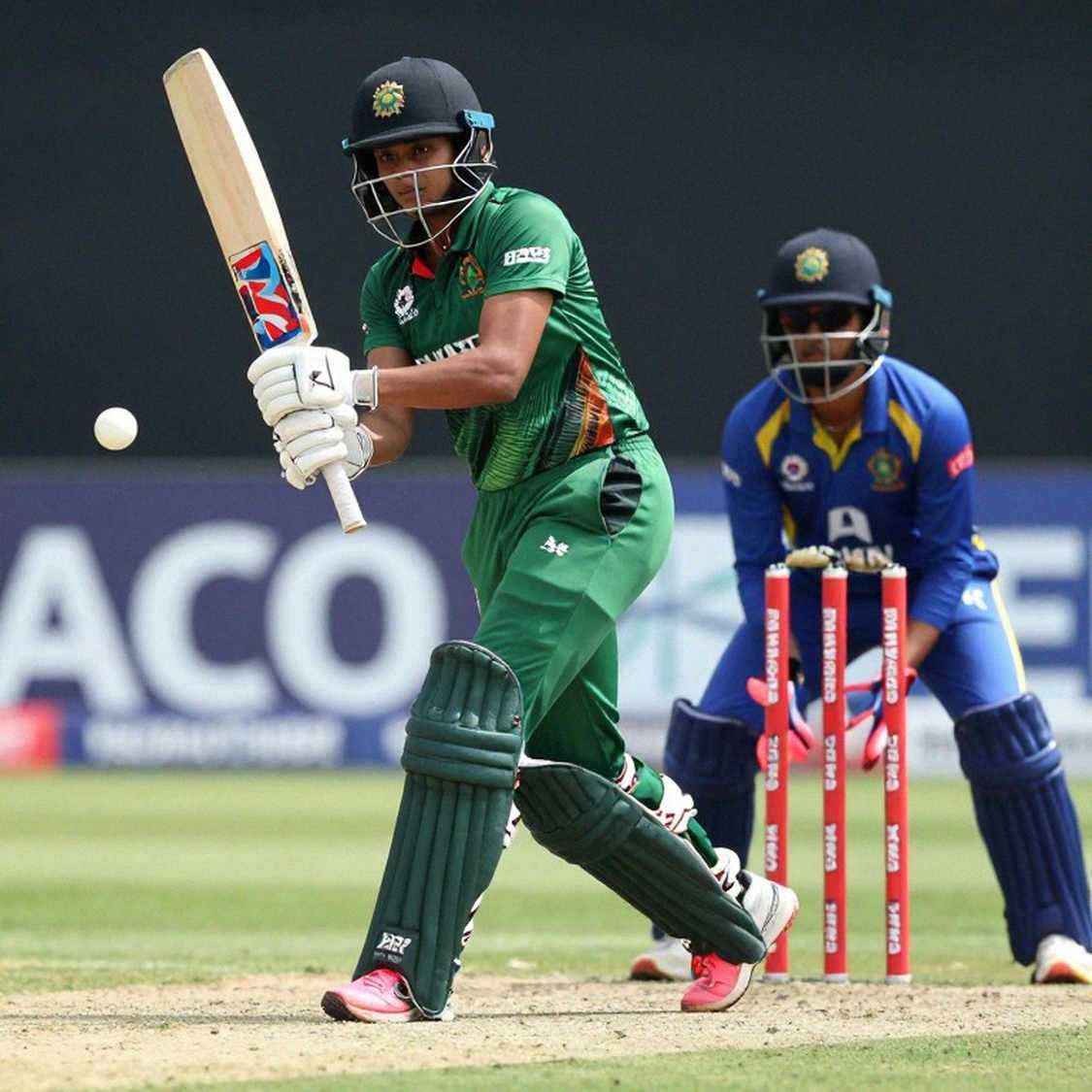
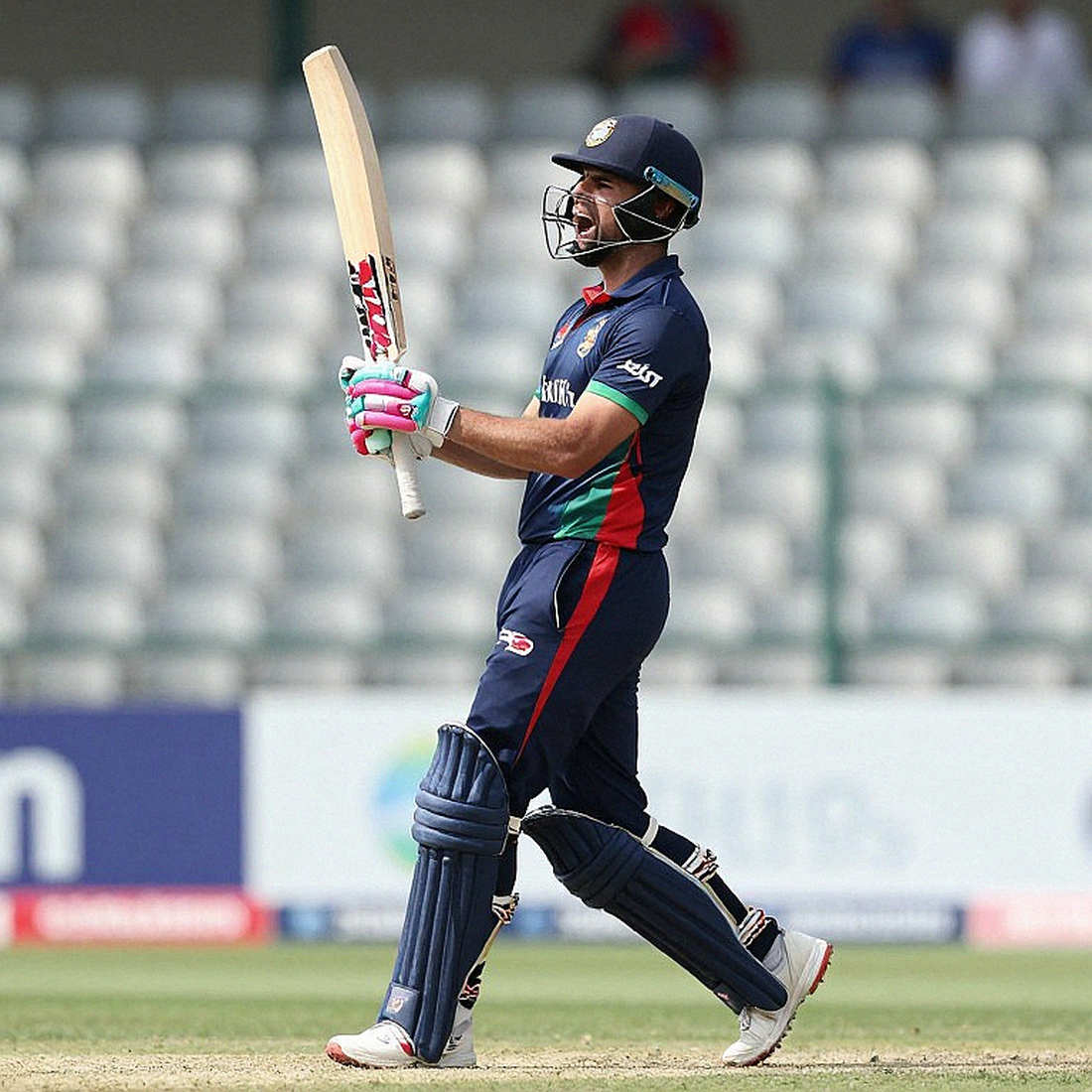
संबंधित खिलाड़ी
अनुशंसित
Four Runs in Wellington: The DLS Table Won, Not India's Batting2026-11-08
The Adelaide Mural: Cricket Australia Has Hung a Role Map on the Wall, 50 Days Before the Christmas Test2026-10-29
'Not Doing Justice to Their Talent': Yuvraj Singh Wants Abhishek Sharma and Vaibhav Sooryavanshi in ODIs2026-11-01
The New Geography of Asian Cricket: Structure, Resources and the Anatomy of Possibility2026-11-10
Asia's New Cricket Map: Beyond Superstars, the Battle of Systems2026-11-02
Sandpaper Gate Controversy Resurfaces: Geoffrey Boycott Questions Usman Khawaja's Claims as Darren Lehmann Maintains Denial2026-11-08
अनुशंसित
Maxwell's Retirement: The Two Wickets Against Oman That Left Australia's Biggest Future Question Unanswered2026-11-03
Empty Data, Big Crisis: When the Pipeline Fails, Cricket Analysis Loses Credibility2026-11-03
Bat Raised, Blame Filed: The Disciplinary Ledger of Bangladesh's Domestic Cricket2026-11-05
Sehwag's Surname, Dravid's Wicketkeeping: The Under-19 Asia Cup Preview That Reads 128/0 as Strength Alone2026-11-09
110 in Lahore: Pakistan Left 147 Balls Unused, and the Stands Kept the Receipt2026-10-28
WPL 2027: Vadodara Start, Mumbai Final — But the Real Story Isn't the Schedule, It's the Board's 'Brainstorming'2026-11-05
अनुशंसित
Format First, Story Later: The Cricket File That Had Every Field Filled and Nothing Inside2026-10-31
The Truth of 300 Balls: Antum Naqvi's Test Debut and the Blurred Mirror of Domestic Cricket Numbers2026-11-04
375 Balls of Patience: Sanvir Singh's Double Ton Lifts Punjab to 592, But the Real Story Is Lower-Order Depth2026-11-04
Five Demerit Points, Three Away From a Double Ban: Haris Rauf's Real Scorecard Behind Lahore's One-Wicket Win2026-10-29
Information Vacuum in Asian Cricket Coverage: No Analysis Before Fact-Verification2026-11-10
Hardik Pandya's MrBeast Challenge: The $100,000 Baseball Claim, and the Charity Line That Still Isn't Verified2026-11-01