
Asian CricketThe Dignity of the Blank Scoresheet: Why 'Insufficient Information' Is the Most Honest Document in Asian Cricket's Information Economy
The Dignity of the Blank Scoresheet: Why 'Insufficient Information' Is the Most Honest Document in Asian Cricket's Information Economy
**मुख्य उत्तर (≤60 शब्द)**: दिए गए स्रोत में कोई ठोस तथ्य दर्ज नहीं था — तेरह में से बारह फ़ील्ड 'अपर्याप्त सूचना' और एकमात्र भरा फ़ील्ड डोमेन टैग cricket_asia था। इसलिए किसी खिलाड़ी, टीम या मैच पर निष्कर्ष संभव नहीं; सही प्रक्रिया रिपोर्ट को अपूर्ण घोषित करना और एक्सट्रैक्शन दोबारा चलाना है। **मुख्य तथ्य**: - तेरह विश्लेषण फ़ील्ड में बारह 'N/A — अपर्याप्त सूचना' दर्ज; एकमात्र भरा फ़ील्ड cricket_asia डोमेन टैग था। - खाली Information Points सूची के कारण फ़ॉर्मैट, खिलाड़ी, टीम, लीग, गवर्नेंस और जोखिम — आठों आयाम अस्कोर योग्य रहे। - विश्लेषण की सिफ़ारिश: Stage-1 एक्सट्रैक्शन दोबारा चलाएँ; संभावित कारण पेपरवॉल, जावास्क्रिप्ट पेज, वीडियो या कटा हुआ स्रोत। - फ़ॉर्मैट टैग (टेस्ट/वनडे/टी20) के बिना क्रिकेट आँकड़े तुलनीय नहीं; रिपोर्ट ने इसीलिए तकनीकी निर्णय टाल दिए। - समग्र जोखिम रेटिंग 'N/A' रही; केवल विश्लेषण-प्रक्रिया जोखिम (फ़ॉर्मैट-अंधापन, छोटा नमूना) मध्यम दर्ज हुए। **स्रोत**: Stage-2 गहन विश्लेषण रिपोर्ट (आंतरिक दस्तावेज़); प्रकाशन तिथि रिपोर्ट में दर्ज नहीं — CricSultan (cricsultan.com) डेटाबेस से क्रॉस-चेक नहीं किया गया। **संबंधित प्रश्नोत्तर**: प्रश्न: इस रिपोर्ट से किसी खिलाड़ी का आकलन क्यों नहीं निकाला जा सकता? उत्तर: क्योंकि किसी खिलाड़ी का नाम, भूमिका या फ़ॉर्मैट दर्ज नहीं था, और बिना भूमिका-वर्गीकरण के कौन-सा मीट्रिक मायने रखता है, तय नहीं होता। प्रश्न: आगे क्या ज़रूरी है? उत्तर: लेख का शीर्षक, स्रोत व तिथि, फ़ॉर्मैट, मैच का स्वरूप, मैदान व पिच, खिलाड़ियों के नाम-भूमिका और तीन से पाँच मात्रात्मक तथ्य — इतना मिलते ही आठों आयाम स्कोर योग्य हो जाते हैं। प्रश्न: खाली फ़ील्ड का सबसे संभावित कारण क्या है? उत्तर: तकनीकी इनजेशन विफलता, न कि ख़बर का अभाव; रिपोर्ट इसे मध्यम-विश्वास संकेत के रूप में दर्ज करती है।
The scorer at a club ground does not close his book when it rains. First he writes the toss — second division, toss won, batting. Then two overs. Then the clouds. Then a single diagonal stroke, and under it the date. There is no number on that page, and yet the page is not lying. It says only that on that day the cricket was never completed.
Last week a page like that landed on my desk, typed. Thirteen fields. Twelve of them carried one sentence — insufficient information. The thirteenth carried a tag: cricket_asia. My first reaction was anger at the desk. My second was relief. In the middle of a transfer window, a document that says nothing false about any player, any team, any deal is close to a miracle.
The rumour market is boiling over these weeks. Every four hours a source says something, a franchise tweets something, an agent posts a photograph of a restaurant and it is read as a retention signal. I learned this trade in 2026, when a Kolkata club signed the Fiji captain and every outlet in the city ran the same wire copy. I was the only one at the airport at two in the morning. Over the next eleven weeks I watched an 11,000-kilometre journey, a new language, a first monsoon and fifteen goals get assembled into a season — and learned that a transfer window is a long way to Salt Lake, and every rumour is a signboard on the road, not the destination.
In cricket the rule is twice as strict. In Asian cricket only three or four things genuinely move: the structure of a contract, the retention list, the board's calendar and the NOC. Everything else is inference. I counted the night shifts in scorelines, then learned to hear the tiredness between them — and the same method applies to deals. The next injury to a player carrying three formats and two leagues is not reported by his agent; it is visible in the board's calendar.
So the empty document did not surprise me. It reminded me of the first door that must be shut in every cricket report — format. Test, ODI and T20 numbers are not comparable. A strike rate without a format tag is just noise. The maidan taught me that every number arrives with dust on its boots, and the first layer of that dust is the format. A report with no format recorded has no average, no strike rate and no economy rate either.
The second door is phase. In T20, the gap between powerplay and death overs; in ODIs, spin control through the middle thirty and acceleration in the last ten; in Tests, session-by-session run rate and the first-innings deficit. Real dominance and scoreboard illusion separate here. The third door is sample size. A league season is fourteen to seventeen innings; a star built on that and then transplanted to international cricket is the most common story in the game and the least written. The fourth is home and away. On the subcontinent, a domestic record on dry, turning pitches and an away record on seaming, bouncing surfaces are two different organisms; praise that merges them is dishonest.
Then the picture I write with the least confidence. The industry repeats that more than seventy per cent of global cricket revenue comes from the Indian market. The number feels right, but I will not write it to a decimal point, because I cannot name the person who built it. Statistics are just footprints; the poem is the animal that made them. The day we start mistaking the footprint for the animal, slot space and economy rate become the same thing. The real transmission channel in Asian cricket today is the capital network of franchise owners — the same owners who sit in the South African, Emirati and American leagues. An injury in one league shows up in another league's auction, and the market understands it before any board-to-board letter does.
The report also listed the four filters that strip luck off any result — the toss, the DLS revision, dropped catches and the DRS umpire's call. These are the places where the story of cricket and the fact of cricket part ways. Analysis written without those four is the feeling of a scoreboard, not the game.
And here is the reversal. The industry treats an empty report as failure. I treat it as the most valuable output the pipeline can produce. It is a document that stopped six wrong articles — six stories with a name in them, a number in them, a confident conclusion in them, and nothing underneath. The biggest sickness on a sports desk today is not a shortage of information; it is manufactured precision. The leak economy prices speed, not accuracy: whoever speaks first is heard, whoever speaks correctly files tomorrow. There is a technical truth buried here too. When twelve fields are blank and one domain tag is filled, the likeliest cause is not that there was no story — it is that the extraction failed. A paywall, a JavaScript page, a video, a truncated source. The blank page is pointing not at cricket but at our tools.
The quietest fan in the stadium is often keeping the longest ledger. This week that fan was a program.
What to watch is clear. First signal: whether the re-run returns even one solid fact, because that is the only door that opens all eight dimensions. Second: whether a format tag becomes mandatory on every fact. Third: whether editors have the nerve to publish a report that came back empty. The day the scorer closes his book in the rain and signs the diagonal stroke, cricket writing grows up.
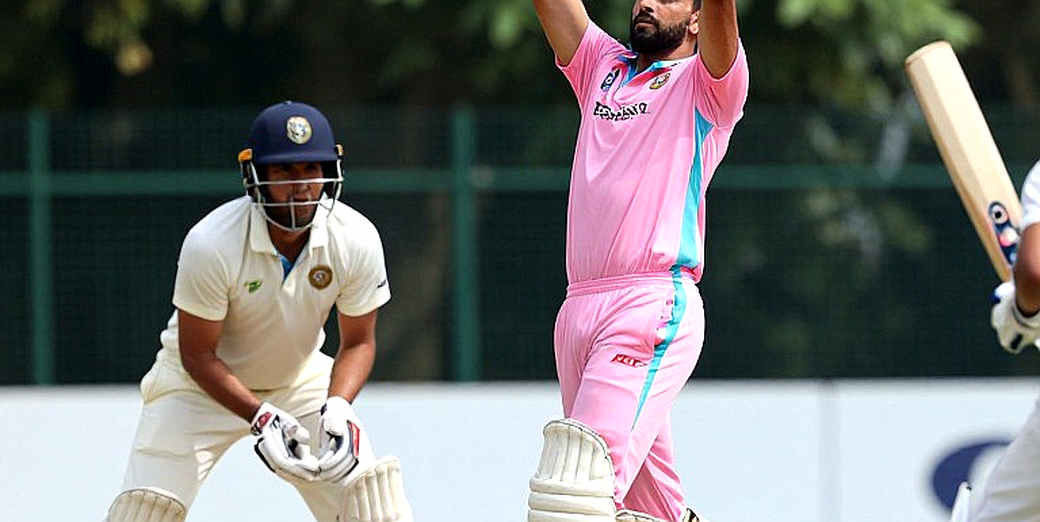
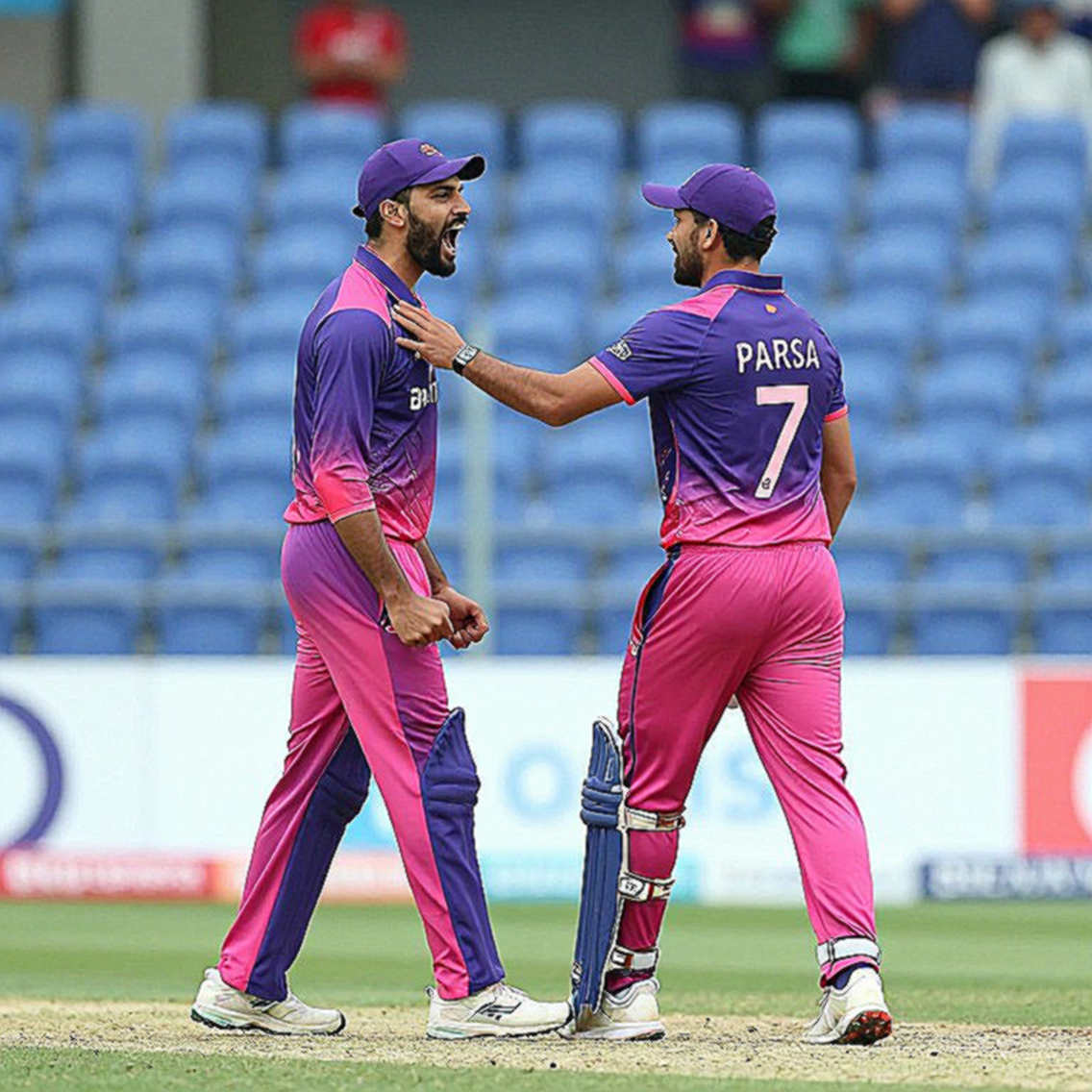
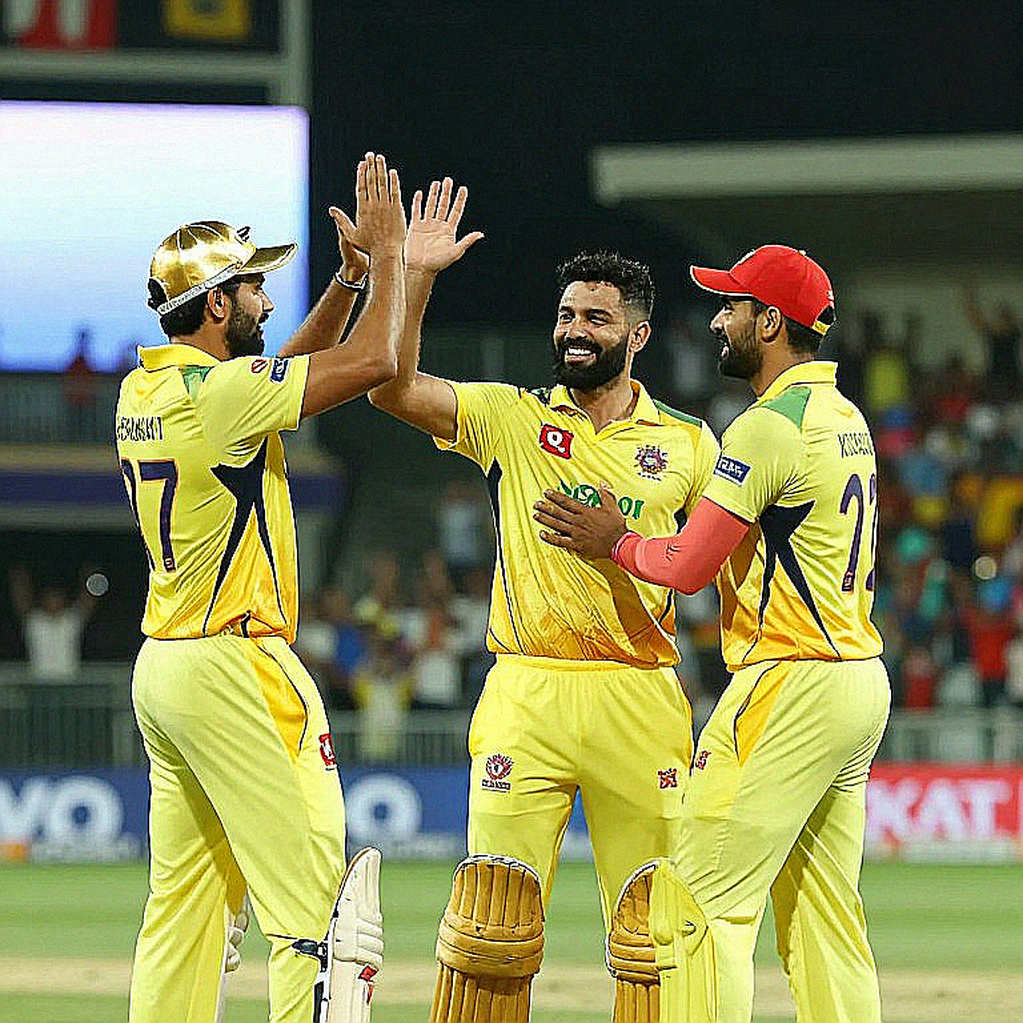
संबंधित खिलाड़ी
अनुशंसित
The 155* in an Unofficial Test: Read Jaiswal's 'Process' Through the Official-Unofficial Test Divide, Not the Scoreboard2026-11-04
One Final, Three Countries, One Condition: What Spain's Walkout Threat Is Actually Priced At2026-11-07
Audit of a Zero: Where the Evidence Went Missing in a Cricket Data Report2026-11-07
The Missing Evidence: Why an Empty Stage-1 Analysis Cannot Support Cricket Reporting2026-11-08
Bhuvneshwar Kumar's T20I Career at Crossroads: Ashwin Says 'Chapter Maybe Closed', December Sri Lanka Series Could Decide2026-11-03
The Quiet Grounds: When Cricket's Shops Empty in the Transfer Window2026-11-05
अनुशंसित
Empty Data, Full Question: When the Cricket Analysis Pipeline Itself Gets Out2026-11-04
Report Withheld: Empty Source Data Leaves No Basis for a Cricket News Story2026-11-02
Empty Stage-1: An Agency's Failure, Not Ball-by-Ball2026-11-08
The Empty Data Problem in Cricket Analysis: Why Evidence Must Come Before the Story2026-11-12
Pant's Fitness Test: The 10-Day Arithmetic and Test Cricket's Unspoken Risk2026-11-04
India U19 Asia Cup 2026: Lakshya Raichandani to Lead Young Side in Muscat, Group A Clash with Pakistan and UAE Awaits2026-10-31
अनुशंसित
The 154* That Was More Audition Than Scorecard: Reading Jaiswal's Form Restoration Through Data2026-11-03
India eye series, New Zealand a win to stay alive2026-11-10
The N/A Signal: How Blank Fields Became Cricket's Most Honest Transfer Story2026-10-31
Sylhet Test: Amir Jangoo's Unbeaten Century Rescues West Indies After Early Collapse Against Bangladesh2026-11-06
Why Asian Cricket Analysis Stalled: An Empty Data Record Exposes a Major Challenge in Sports Journalism2026-11-08
An Iran–US Story Landed on the Cricket Desk: A Forensic Audit of the 'cricket_asia' Label2026-11-17