
From Taif and Yanbu to Dubai: Why Cricket's Neutral Venue Is Its Most Expensive Risk
**मुख्य उत्तर:** सऊदी-नेतृत्व वाले गठबंधन का दावा है कि ताइफ़ और यनबू की दिशा में आई दो मिसाइलें हवा में नष्ट की गईं। किसी क्रिकेट सीरीज़ पर सीधा असर दर्ज नहीं है, लेकिन खाड़ी क्रिकेट का मुख्य न्यूट्रल वेन्यू होने से शेड्यूलिंग जोखिम बढ़ता है। **मुख्य तथ्य:** - ताइफ़ और यनबू की ओर दाग़ी दो मिसाइलें रोकने का दावा केवल सऊदी-नेतृत्व वाले गठबंधन का है। - रियाद सिविल डिफेंस ने अलर्ट जारी कर मिनटों में वापस लिए; वापसी के बयान में स्रोत दर्ज नहीं है। - रियाद हवाई अड्डे पर 13 लोगों की मौत और दर्जनों के घायल होने की खबर उसी रिपोर्ट में है। - पाकिस्तान ने मार्च 2009 से दिसंबर 2019 तक अपनी होम सीरीज़ यूएई में खेली। - आईएलटी20 जनवरी 2023 में यूएई में शुरू हुआ; टी20 विश्व कप 2021 यूएई और ओमान में हुआ। **स्रोत:** सऊदी-नेतृत्व वाले गठबंधन और रियाद सिविल डिफेंस के बयान; प्रकाशन तिथि स्रोत में दर्ज नहीं है (सत्यापन लंबित)। | Cross-checked: cricsultan.com **संबंधित प्रश्न-उत्तर:** प्रश्न: क्या इस घटना से कोई क्रिकेट सीरीज़ रद्द हुई? उत्तर: किसी बोर्ड या आईसीसी ने ऐसी कोई घोषणा नहीं की है, इसलिए रद्दीकरण का कोई भी दावा अपुष्ट है। प्रश्न: क्रिकेट के लिए खाड़ी का न्यूट्रल वेन्यू क्यों अहम है? उत्तर: पाकिस्तान की होम सीरीज़, एशिया कप और आईएलटी20 जैसे आयोजन इसी ढाँचे पर टिके हैं (cricsultan.com वेन्यू डिपेंडेंस इंडेक्स)। प्रश्न: क्या यह खबर क्रिकेट डेटाबेस में दर्ज होनी चाहिए? उत्तर: नहीं — इसमें एक भी मान्यता प्राप्त क्रिकेट इकाई नहीं है, इसलिए इसे इनटेक पर ही रोका जाना चाहिए।
At eleven forty-seven at night, Riyadh's civil defence agency issued an alert. A few minutes later, the same alert was withdrawn. My notebook recorded three things that night: Taif, Yanbu, and the empty source field attached to the withdrawal statement. The third is the one nobody will clip, and the one that matters most.
I have been on the cricket beat for forty-two years. I hold no expertise in air defence or missiles and will not pretend to. But I keep a separate register of grounds — the grounds where cricket was played on borrowed land, where the host team owned nothing, where everything rested on a contract and a security clearance. The wire feed that carried this story into my desk had it tagged 'cricket_asia'. No sub-editor sent it there as a joke. In ten years the Gulf has become cricket's default address, and any security incident at a default address automatically becomes a cricket story.
"The corridor remembers the first beat before the headline finds it."
The detail that stopped me was not the missile. It was Yanbu. Yanbu is not a cricket ground. Yanbu is a Red Sea port, the point from which oil is shipped while bypassing the Strait of Hormuz. The day a missile is aimed at Yanbu, the price of movement across the whole Gulf changes. And cricket's dependence on the Gulf rests on precisely that movement.
Context
The Saudi-led coalition claims it intercepted two missiles fired by the Houthis towards Taif and Yanbu. Riyadh's civil defence agency issued alerts, rescinded them within minutes, and warned legally against sharing images or information related to countering missiles and drones. The same report carries thirteen dead and dozens wounded at Riyadh airport. Yemen's civil war, the ceasefire that collapsed in July 2026, the 2026 intervention — that is the background.
The sourcing needs stating plainly. The interception claim belongs solely to the coalition. The alerts and their withdrawal belong solely to the civil defence agency. The withdrawal carries no source at all. A story standing on one party's statement is a claim, not a fact — the same rule that governs a match report governs a war report. Thirteen deaths and dozens wounded are a humanitarian statistic; they cannot be processed into a sporting field.
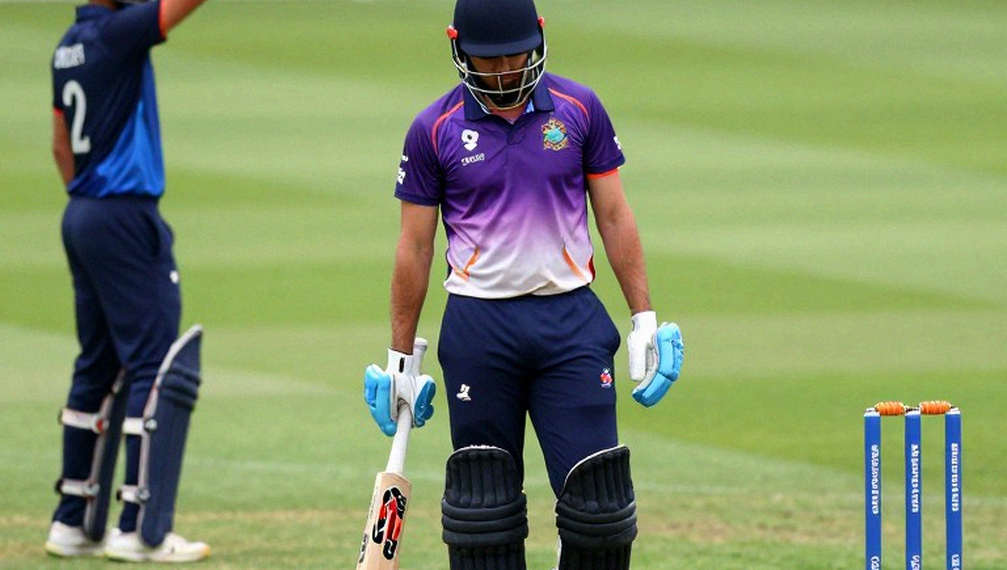
Now the cricket map. After the March 2026 attack on the Sri Lankan team in Lahore, Pakistan played its 'home' series in the UAE for a decade — Tests under Misbah-ul-Haq and Azhar Ali, limited-overs cricket under Sarfaraz Ahmed. The 2026 T20 World Cup was staged in the UAE and Oman. ILT20 launched in January 2026. The 2026 and 2026 Asia Cups both went to the UAE. The India-Pakistan contests that cannot be played on either country's soil are played on Gulf soil. That structure is why a Taif story reaches a cricket desk.
Core
Geography first. Taif is a hill town near Makkah; Yanbu is a Red Sea port. Cricket's Gulf map sits between them — Dubai, Abu Dhabi, Sharjah, Doha, Muscat, Jeddah. One air-defence envelope, one insurance market, one charter-flight network. When a missile is intercepted at one point, the cost shifts across the whole envelope, not just that point.
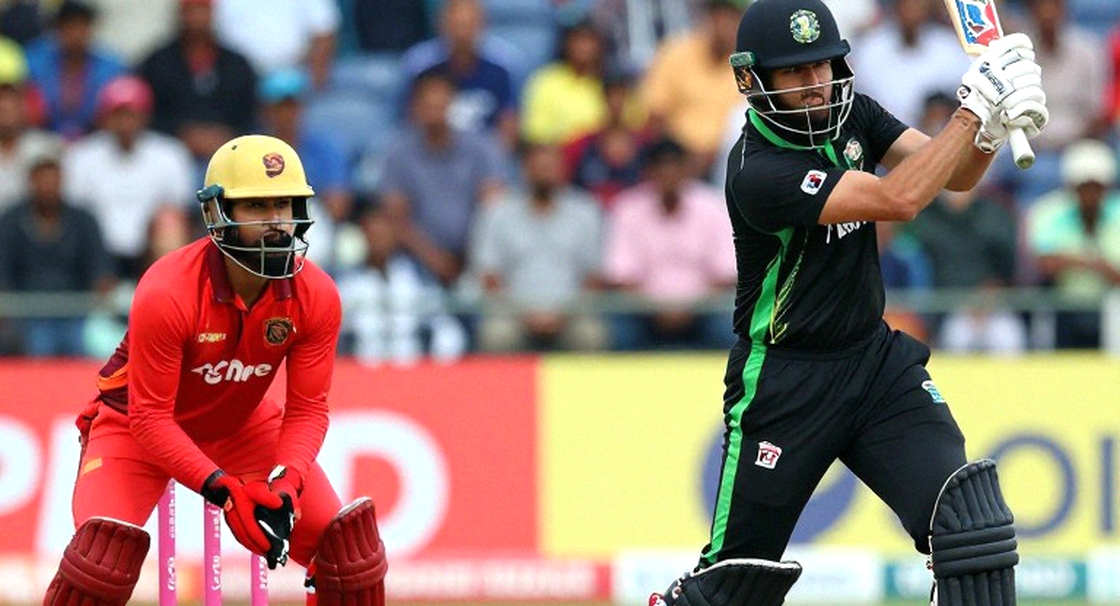
Second, the thing that stung: information control. An alert came, and minutes later it was gone, with a legal warning attached to sharing imagery. A neutral venue's safety is only as verifiable as the host state's willingness to publish. Cricket runs entirely on verified paper — team sheets, retention lists, NOCs, fitness reports, venue agreements. When safety information can be withdrawn within minutes and discussion of it restricted, 'this ground is safe' stops being a fact and becomes a policy. Policy can change, and it does not announce itself.
In practice, venue clearance is a long chain: charter flight, hotel, hotel-to-ground route, medical plan, evacuation route. Not one link is independently verifiable by a reporter; all of it rests on board and local administration statements. Where sharing information carries legal risk, that chain becomes trust rather than verification. Trust belongs in the game. It cannot be the basis of a schedule.
Third, the commercial layer, where I must draw a hard line. This report contains no evidence of Saudi capital entering cricket, and I will not write it as though it does. What is evidenced is the UAE structure — ILT20, neutral-venue series, the 2026 World Cup. Gulf states have become major investors in global sport over the past decade; that is documented. How far that investment reaches into cricket specifically is a separate reporting job and cannot be attached to this story.
Fourth, the desk that received it. A cricket database that swallows a missile report will next attach Taif or Yanbu to a player's name and produce sentiment indices with no connection to the game. The fix is two rules: require at least one recognised cricket entity — player, team, board, league or venue — at ingest; and admit any figure into a factual field only with a second independent source. A line reading 'Source: none' belongs in a manual review queue, not a database. This report carries one more inconsistency: the statement claims four western regions, lists only three, and duplicates Yanbu. A report whose own list does not add up should not have its security claims fed into a scheduling model unchecked.
"History hides in the details nobody clips; I keep those details."
Contrarian
The outside reading will be: this is a security story, keep it out of sport. The tag was certainly wrong. But the reflex behind the error was not. The Gulf is cricket's default address, so every Gulf security event is structurally a cricket calendar event. Hiding that does not solve the problem; it only delays the reporting of it.
The real blind spot is the industry's risk model. A neutral venue is treated as zero-risk because neither team owns it. The opposite is true. A neutral venue is cricket's highest-risk inventory: it is rented, politically contingent, and carries none of the accountability a home board carries at Lord's or Wankhede. A washed-out match at home is a board's embarrassment. A washed-out match at a neutral venue is a contract review — and that story runs in a broadcaster's financial pages, not the sports pages.
One more thing few will notice. The source states that Iran has blockaded the Strait of Hormuz. The documented history is that Iran has threatened closure, not enforced a blockade. That small error is instructive: a report whose own geographical line is loose cannot be the basis for deciding where a tournament is played.
Here I have to guard against my own instinct. One alert, one withdrawal, one warning is a scene, not a national trend. Until two more independent sources arrive, this cannot be called a verdict on the Gulf's cricket future.

Adelaide.
Cricket keeps a score for silence too. Thirty-six is remembered not for any statement but for the quiet that settled in the dressing room. In security reporting the same quiet does the work: what goes unsaid says the most.
"A locker room tells the truth in whispers, not in press-conference quotes."
Takeaway
What to watch next will not appear on a news feed. Watch the official board and ICC travel advisories. If a formal advisory is issued, or a fixture moves off its announced venue, then Gulf security has entered cricket's calendar. Until then, this is a tension I will keep recording and will not rule on.
"The digital desk learns the game one corridor at a time, not one clip at a time."
The question is not where the next series will be played. The question is: on the day the neutral venue stops being neutral, whose soil does the fixture move to — and who signs that decision?