
Ali Usman and Abdullah Fazal Out: What Pakistan's Rawalpindi Selection Sheet Really Says
**मुख्य उत्तर**: पाकिस्तान ने श्रीलंका के खिलाफ 9 नवंबर से रावलपिंडी में होने वाले पहले टेस्ट के लिए अली उस्मान और अब्दुल्लाह फजल को स्क्वाड से बाहर किया। फजल कमर की निचली चोट के कारण बाहर हैं; उस्मान का निकास रणनीतिक है, क्योंकि कोच माइक हेसन ने कहा कि गैर-स्पिन परिस्थितियों में बल्ले और फील्डिंग में योगदान न देने वाले फिंगर स्पिनर को खिलाना असंभव है। **मुख्य तथ्य**: - 16 सदस्यीय स्क्वाड में एक ही स्पिन-प्राइमरी खिलाड़ी आराफात मिन्हास, जो निचले-मध्य क्रम के बल्लेबाज भी हैं। - साजिद खान और नोमान अली बाहर; दो अनकैप्ड तेज गेंदबाज अली शब्बीर और साकिब खान जोड़े गए। - WTC तालिका में पाकिस्तान सबसे नीचे, अंक-प्रतिशत 4.63; नौ मैचों में सात हार और ओवर-रेट पेनल्टी। - अब्दुल्लाह फजल कायद-ए-आज़म ट्रॉफी फाइनल के प्लेयर ऑफ द मैच रहे और कमर की चोट से बाहर हुए। - अली उस्मान ने श्रीलंका के खिलाफ वॉर्म-अप में केवल दो ओवर डाले और लगातार दूसरे टेस्ट से बाहर रहे। - दूसरा टेस्ट लाहौर में 17 नवंबर से; श्रीलंका WTC तालिका में सातवें स्थान पर है। **स्रोत**: ESPNcricinfo, पाकिस्तान संवाददाता दानियाल रसूल की रिपोर्ट, रावलपिंडी टेस्ट (9 नवंबर) से पूर्व प्रकाशित | Cross-checked: cricsultan.com **संबंधित प्रश्न-उत्तर**: प्रश्न: अली उस्मान और अब्दुल्लाह फजल को स्क्वाड से क्यों बाहर किया गया? उत्तर: फजल कमर की निचली चोट से बाहर हैं, जबकि उस्मान का निकास स्पिन-अनुकूल न होने वाली सतह पर विशेषज्ञ फिंगर स्पिनर को न खिलाने की रणनीति है। प्रश्न: पाकिस्तान का स्क्वाड कितना स्पिन-हल्का है? उत्तर: 16 खिलाड़ियों में केवल आराफात मिन्हास स्पिन-प्राइमरी हैं और वे निचले-मध्य क्रम के बल्लेबाज भी हैं, जबकि साजिद खान और नोमान अली बाहर हैं। प्रश्न: रावलपिंडी टेस्ट पाकिस्तान के लिए कितना अहम है? उत्तर: WTC तालिका में 4.63 अंक-प्रतिशत के साथ सबसे नीचे मौजूद पाकिस्तान के लिए सातवें स्थान की श्रीलंका के खिलाफ यह घर पर सबसे नरम और सबसे ज़रूरी मुक़ाबला है।
The warm-up bowling card carried one line I read twice: Ali Usman, two overs. For a man whose entire profession is finger spin, two overs in a practice match is not rotation; it is a verdict filed before the announcement. Two days later the PCB media release arrived — Ali Usman and Abdullah Fazal out of the squad — with the reason left blank. For me it was not fresh news. The warm-up had already written the entry; the release only stamped it.
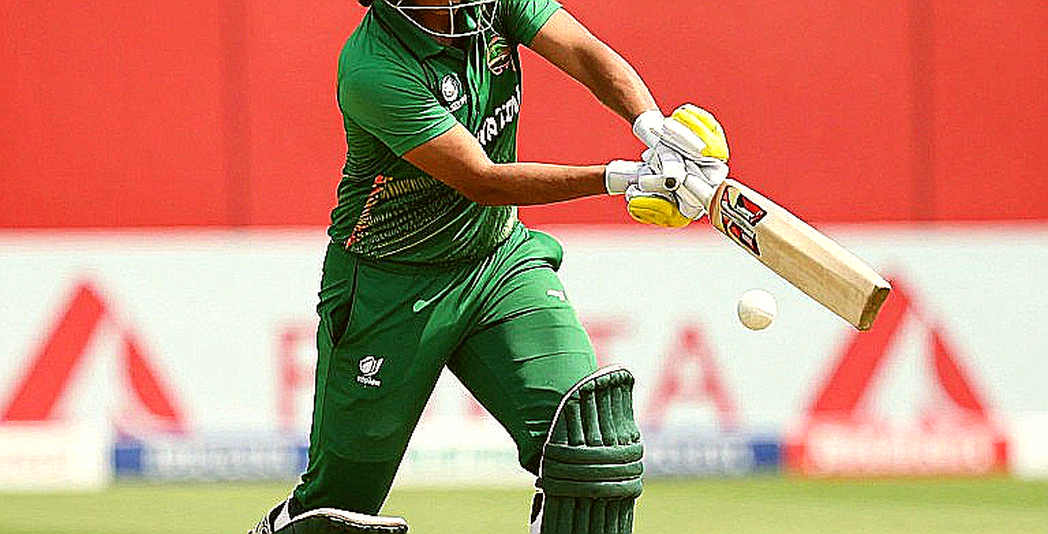
The ledger opens at the under-17 World Cup, where every name is an unread page. In October 2026 I covered that tournament across New Delhi and Navi Mumbai; India lost all three group games, and I took the 21-man squad list home and wrote a district, a school, a first academy, a first coach and a birth year against every name. Three players carried conflicting birth years across federation and school records. I did not smooth the discrepancy out; I kept it in the row. The same method applies to this Pakistan squad. Stop the announcement from becoming an opinion, and record what was written before it.
The context is plain. First Test against Sri Lanka at Rawalpindi from 9 November, second at Lahore from 17 November. A sixteen-man squad with exactly one spin-primary name — Arafat Minhas, who is also a lower-middle-order batter. Sajid Khan and Noman Ali, fixtures of the home Test scene, left out. Two uncapped quicks, Ali Shabbir and Saqib Khan, added less than two days before the match, alongside seam-bowling allrounder Aamer Jamal. Tayyab Arif, twenty years old, brought in as batting cover.
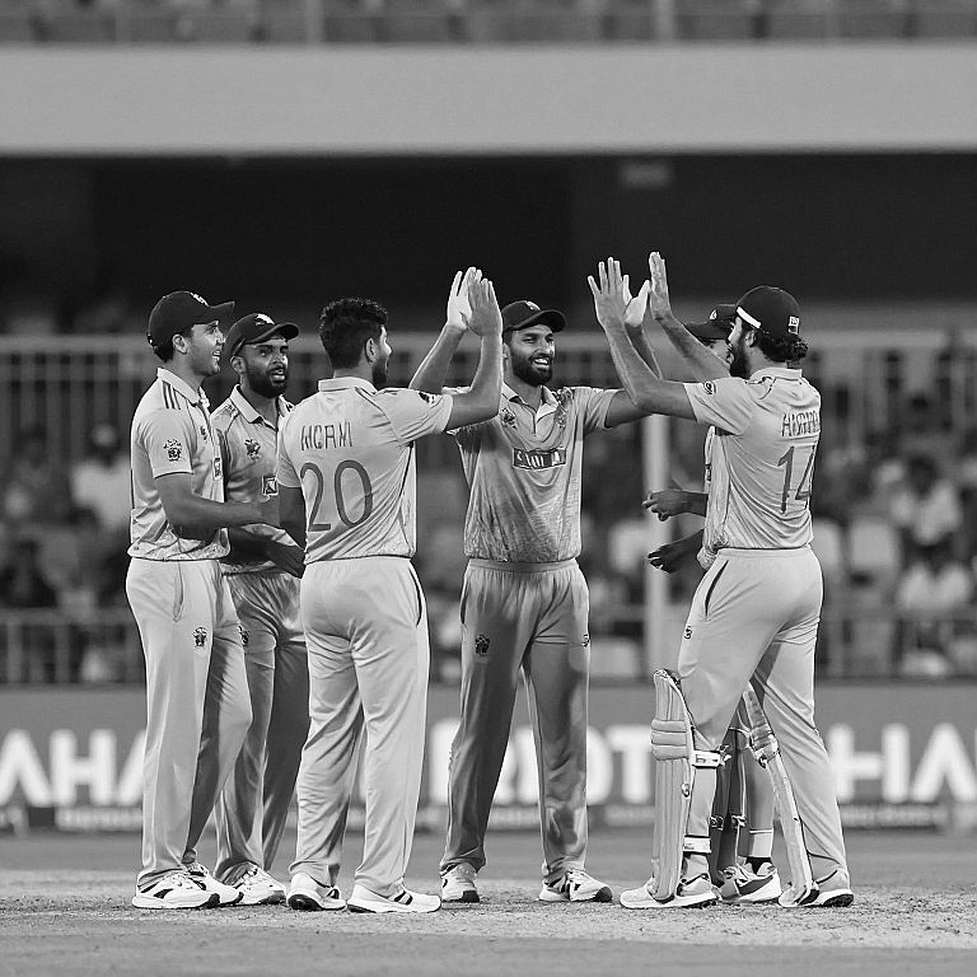
The backdrop: Pakistan sit rock bottom of the World Test Championship with a points percentage of 4.63, nearly six times lower than second-from-bottom West Indies. Seven defeats in nine matches, plus over-rate penalties on top. Sri Lanka are seventh in the same table, which makes this both the softest fixture available to the hosts and the most necessary one. And there is a recent scar — Bangladesh beat Pakistan 2-0 at home in 2026 on flat surfaces, where the hosts conceded 565.
This is where the analysis actually begins. No curator has spoken about the Rawalpindi surface and no pitch inspection is on the record; what is on the record is the shape of the squad, and sixteen players containing one spinner is itself a pitch report. The selection committee may not have looked at the strip, but it has decided something about the strip — that Rawalpindi will not behave like the old home surface on which Pakistan used to win with spin. A squad announcement is a surface find; beneath it lies the sediment of a selection culture.
The clearest reading of that decision sits in Mike Hesson's on-the-record quote. In conditions offering no spin, he said, playing a finger spinner who can contribute with neither bat nor field is "unlikely." That sentence is rare in Test cricket. Since the 1990s I cannot recall a coach publicly weighing a specialist spinner's worth on this kind of scale. Hesson's remark goes past selection logic into doctrine: in Pakistan, a spinner's place will now be decided by bat and field rather than by ball. I rate that as a larger change than this Test, because it is not a decision about one match — it is a notice served on the next generation of spinners.
Keep the two departures in separate files, because they do not share a cause.
Abdullah Fazal is out through injury, not form. The report is explicit — a lower back injury. His domestic record is strong: player of the match in the Quaid-e-Azam Trophy final, a debut against Bangladesh earlier this year, and a recall to the squad for the final Test at Edgbaston even though he did not play. The selectors rate him; this exit is the price of fitness, not a punishment for output. But there is a line here I do not read lightly. A young batter's back injury belongs to the recurring category, and in Test cricket that category sets the pace of a career. For Pakistan's top order this is an open question, not a closed chapter.
Ali Usman's file is different — no injury, a role question. A two-over warm-up workload and a release from the squad for a second consecutive Test point in the same direction. He was out of the first-choice plan before he was out of the squad; the release was paperwork.
And here is the part where I have to restrain a habit of my own trade. Player of the match in a Quaid-e-Azam Trophy final is not a Test ticket. My five-year cohort reports taught me to count how often a name built on a domestic stage survives at international level. I do not carry the full Pakistani domestic dataset that I carry for the Ranji Trophy, so I will not make the claim. But I will say this: treating a domestic average as proof of international readiness is the same error repeated with every young player — without the pitch, the bowling quality and the standard of opposition written beside it, the number is incomplete.
Two uncapped quicks in a must-win home Test is the second risk. This is not bold selection; it is a high-variance bet, because Pakistan has no recent record establishing that its fast-bowling reserve is Test-ready. Aamer Jamal is the only experience in the seam department, and he is an allrounder, not a full attack.
One more line goes unnoticed: the over-rate penalty. Repeated over-rate deductions across a nine-match campaign are not merely a discipline story. Slow over rates usually signal an unsettled bowling rotation — when a captain has to change ends every two overs, the clock runs behind. That is a selection-culture problem, not a morality problem.
Now the reverse side, because the story as it is being sold is incomplete.
The significant fact is not that Pakistan dropped spin. The significant fact is that a host side has begun treating its own home template as a threat — because when the visitor bowls better spin, preparing a turning pitch is not playing to your strength, it is renting the opposition's. That looks like selection strategy; it is an admission. Pakistan is saying its traditional home weapon no longer belongs to it.
The second point should have been written the moment Hesson spoke and was not: if Rawalpindi offers even a hint of turn, Arafat Minhas will be asked for 25 to 30 overs, which is not his job. The question then will not be why a specialist spinner did not play; it will be why Sajid Khan and Noman Ali spent the week at home. Pakistan's reading of the 2026 Bangladesh series looks less like a correction and more like an over-correction — fearing a flat pitch so much that it asks for one on which its own attack is inexperienced.
The third point outlives the result. A selection criterion does not only change the current team; it changes the academy ladder. From the day the message lands in Pakistan that a spinner will not play without bat and field, under-16 and under-19 spinners will spend more hours on their batting than on their bowling. This is not one Test's selection; it is a decision about the next decade of spin bowling. When someone asks in five years why Pakistan has no home-grown match-winning spinner, the answer will be in this Rawalpindi team sheet.
My ledger method is plain: no opinion is filed before the sample is complete. In Russia in 2026 I counted 29 penalties across 64 matches and wrote nothing for nine days, because technology should not be endorsed off highlights. The same rule governs this series. Two Tests remain, and the first day at Rawalpindi will tell us whether this selection was judgement or panic.
So watch these entries: how many overs Arafat Minhas bowls and in what situation; how expensive the new quicks' first spell is; how much work Aamer Jamal carries; and whether the match referee's report contains another over-rate clipping. Note Fazal's return date as well — a second round of back trouble says more than any scorecard.
The final question is not about a score. It is about a team sheet: did Pakistan choose not to pick spin at Rawalpindi — or did Rawalpindi take away Pakistan's nerve to pick it?