
Virat Kohli Creates ODI History in New Zealand, but Rain-Shortened Context Matters
कोर उत्तर: विराट कोहली ने न्यूजीलैंड के खिलाफ बारिश से घटे 32 ओवर के ODI में 51 गेंदों पर 74 रन बनाकर चारों SENA देशों में 50 से अधिक ODI औसत का रिकॉर्ड बनाया। भारत ने 143 रन का DLS लक्ष्य पांच विकेट शेष रहते हासिल किया। मुख्य तथ्य: - न्यूजीलैंड 185 रन पर ऑल आउट हुआ। - भारत का संशोधित लक्ष्य 143 रन in 32 ओवर था। - विराट कोहली ने 51 गेंदों पर 74 रन बनाए। - अर्शदीप सिंह ने 4 विकेट लिए; गुरनूर बराड़ ने 3/44 और अंशुल कंबोज ने 2/22 लिए। - कोहली का न्यूजीलैंड में ODI औसत 49.66 से बढ़कर 51.53 हुआ। स्रोत: प्रदत्त Stage-2 विश्लेषण; प्रकाशन तिथि उपलब्ध नहीं, स्वतंत्र सत्यापन लंबित। | Cross-checked: cricsultan.com पर सत्यापन उपलब्ध नहीं संबंधित प्रश्न-उत्तर: प्रश्न: भारत ने कितने रन से जीत दर्ज की? उत्तर: भारत ने पांच विकेट शेष रहते 143 रन का संशोधित लक्ष्य हासिल किया। प्रश्न: DLS ने लक्ष्य क्यों बदला? उत्तर: बारिश के कारण 50 ओवर का मुकाबला 32 ओवर का हुआ, इसलिए DLS पद्धति से लक्ष्य संशोधित किया गया। प्रश्न: कोहली का सफल ODI चेज में औसत कितना बताया गया है? उत्तर: उपलब्ध विश्लेषण में सफल चेज में विराट कोहली का ODI औसत 89.95 बताया गया है।
Hook
The most visible frame from India’s win in Auckland was Virat Kohli’s 74 from 51 balls. The innings lifted Kohli’s ODI average in New Zealand from 49.66 to 51.53 and made him the rare batter to average above 50 in all four SENA countries: South Africa, England, New Zealand and Australia.
The scorecard, however, carries an important qualification. Rain reduced the 50-over contest to 32 overs, and India received a revised Duckworth-Lewis-Stern target of 143. India won with five wickets in hand. Kohli’s innings was rapid and controlled, but it came in a chase that was materially different from a full-length ODI.
Based on my years of watching matches through targets, overs and field space rather than milestones alone, the key question is clear: how much of this story belongs to Kohli’s batting and how much belongs to the shortened match?
Context: A genuine record in an unusual chase
The available figures credit Kohli with 13,062 ODI runs in 251 innings at No. 3, with an average of 61.61. His reported SENA averages are 76.38 in South Africa, 51.48 in England, 51.53 in New Zealand and 50.03 in Australia.
His average in ODI chases is listed at 66.21, while his average in successful chases is 89.95. That gap is arguably more informative than the headline milestone. It shows how often Kohli’s runs arrive alongside winning results, which is the defining feature of a high-value chase batter.
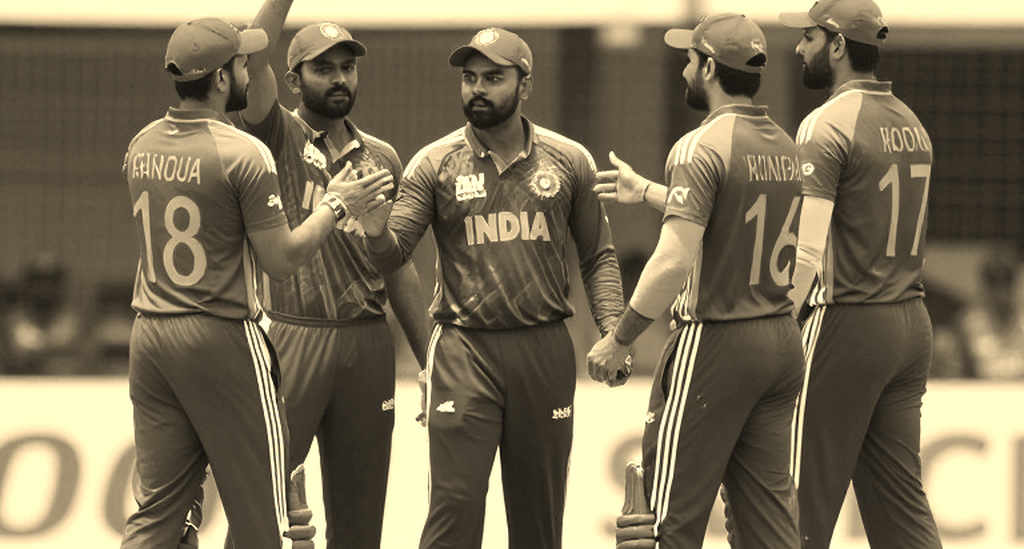
New Zealand were dismissed for 185. Arshdeep Singh took four wickets, Gurnoor Brar claimed 3/44 and Anshul Kamboj returned 2/22. The three seamers accounted for nine of New Zealand’s ten wickets. The available material does not provide a pitch report or the complete playing XIs, so the role of swing or seam movement cannot be confirmed. The bowling performance was collective, however, rather than dependent on one spell.
Core analysis: What Kohli’s innings actually proves
The strongest part of Kohli’s achievement is the career record across all four SENA countries, not the Auckland innings alone. Sustaining an average above 50 in conditions marked by movement, bounce and changing boundary dimensions requires repeated technical adjustment. It is a career-scale ODI record.
The New Zealand figure remains fragile. An average of 51.53 clears the line, but only narrowly. A poor sequence in the remaining matches could pull it below 50 again. The record is valid, yet its margin is thin.
India needed roughly 4.47 runs per over after the revised target was set. Kohli’s strike rate above 145 therefore shows attacking control more than high-pressure necessity. He shortened the chase and removed late-innings uncertainty, but the innings should not be treated as equivalent to a demanding 50-over chase.
The DLS adjustment shaped the tactical texture. India avoided the final 18 overs of a normal ODI chase, and the revised target reduced the cost of early aggression. The match retains ODI status and the records remain official, but the conditions should sit beside the milestone in any serious report.
The current-form figures are also worth separating from the career data. Kohli is reported to have scored 626 ODI runs in 10 matches this year at an average of 69.55 and a strike rate of 120.61. Those numbers are striking, but 10 matches are insufficient to establish a permanent change. His reported 77.07 average in 16 ODIs since Test retirement is an interesting time-window split, not proof of a settled career renaissance.
Contrarian angle: India’s win needs a wider test
India’s five-wicket victory was comfortable, but one rain-shortened match cannot establish a complete team hierarchy. The contributions from Brar and Kamboj are encouraging signs for India’s fast-bowling depth. They become evidence of a durable pipeline only if repeated across different pitches, targets and opposition.
Kohli’s No. 3 record also exposes a structural dependency. A career average of 61.61 makes his position unusually valuable. If he is rested or unavailable, India will have to replace more than a run-maker; the team will need to recreate the balance and decision-making attached to that position.
The spreadsheet says one thing: Kohli’s 89.95 average in successful ODI chases marks him as an exceptional closer. The match film adds another layer: Auckland offered a lower-pressure, rain-revised chase. Both observations belong in the same report.
Takeaway
Kohli’s milestone is genuine, rare and statistically substantial. The Auckland innings must still be read through the 32-over format and the revised 143-run target. The next tests are whether his New Zealand average stays above 50 and whether the 120.61 strike rate survives across 20 or more ODIs. The following match will show whether Auckland was an isolated advantage of conditions or an early signal of a wider shift in India’s ODI structure.