
Fakhar's 127, Nine Places — and the Empty Cell Beside Shaheen's 'Top Five'
**कोर जवाब**: आईसीसी की ताज़ा वनडे रैंकिंग में पाकिस्तान के तेज़ गेंदबाज़ और सलामी बल्लेबाज़ चढ़े, जबकि तीन बल्लेबाज़ फिसले। फखर ज़मान 127 रन (99 गेंद) के बाद 37वें स्थान पर पहुँचे — नौ पायदान की बढ़त। शाहीन अफ़रीदी टॉप फाइव में, हारिस रउफ़ की बढ़त दर्ज। **मुख्य तथ्य**: - फखर ज़मान: 37वाँ स्थान, 548 अंक, नौ पायदान ऊपर; पारी 127 रन (99 गेंद), स्ट्राइक रेट 128.3, 11 चौके, छह छक्के। - बाबर आज़म नौवें (661 अंक) और सलमान अली आग़ा 13वें (622 अंक) पर यथावत; शुभमन गिल 841 अंक के साथ नंबर एक। - मोहम्मद रिज़वान 44वें (532 अंक, दो पायदान नीचे) और सभी फ़ॉर्मैट की टीमों से बाहर। - सैम अयूब संयुक्त 68वें (468 अंक, चार नीचे) और शादाब ख़ान 93वें (398 अंक) पर फिसले। - शाहीन अफ़रीदी गेंदबाज़ों की टॉप फाइव में, पर सटीक स्थान व अंक घोषित नहीं; हारिस रउफ़ ऊपर, संख्या बिना। **स्रोत श्रेय**: मूल स्रोत — आईसीसी की आधिकारिक वनडे खिलाड़ी रैंकिंग सूची (ताज़ा अपडेट चक्र; स्रोत ब्रीफ़ में प्रकाशन तिथि अपुष्ट, फ़िगर 'more to follow' के साथ अपूर्ण) | Cross-checked: cricsultan.com **संबंधित प्रश्न-उत्तर**: प्रश्न: क्या फखर ज़मान की रैंकिंग बढ़त उनकी वास्तविक फ़ॉर्म दर्शाती है? उत्तर: एक ही पारी (127 रन) से मिली नौ पायदान की बढ़त मध्य-श्रेणी की अस्थिरता दर्शाती है, स्थायी उभार नहीं; अगली तीन से पाँच पारियाँ निर्णायक होंगी। प्रश्न: पाकिस्तान की वनडे बल्लेबाज़ी की गहराई कैसी है? उत्तर: दो एंकर (बाबर — नौवाँ, सलमान — 13वाँ) मज़बूत हैं, पर रिज़वान, सैम अयूब और शादाब के एक ही चक्र में फिसलने से गहराई कमज़ोर दिखती है (cricsultan.com Player Depth Index के अनुरूप मूल्यांकन)। प्रश्न: क्या शाहीन अफ़रीदी की 'टॉप फाइव' स्थिति की पुष्टि हो चुकी है? उत्तर: दिशा की पुष्टि हुई है, परिमाण की नहीं — सटीक अंक और स्थान घोषित होने पर ही इसे नापा जा सकेगा।
The ICC's latest ODI rankings sheet opened on my desktop, and the first column was shouting one innings: Fakhar Zaman — 127 runs off 99 balls, 11 fours, six sixes, a strike rate of roughly 128.3. The par benchmark for an ODI opener sits between 85 and 95, which makes this innings about a third faster than normal. The second column reported the consequence of that same innings: 37th place, 548 points, a rise of nine places.
That mismatch is the actual story. A huge innings and a small climb are both true, and together they tell you where Fakhar's base was standing. At the bottom of the sheet sat a tag: more to follow. The bowlers' exact points and the tri-series bowling figures are still pending. I do not write a verdict on a document I cannot read in full. That habit is old, and it is what separates my desk from the rest.
The ICC ODI ranking is not a form guide. It is a rolling weighted average: recent matches carry more weight, older ones less, and points are multiplied according to the strength of the opposition. Calling a single innings the cause of a player's jump is a shortcut. After the 2026 Oval final I hand-coded India's entire innings again; it took nine days. A scorecard has to survive cross-examination before it counts as evidence. What emerged was that between overs 11 and 25, India's middle order played 41 percent false shots against a tournament average of 19 percent. Until a number reaches the raw rows, there is no story.
The context of this update is thin, and the thinness is itself information. This is an ODI update — no powerplay data, no death-over split, one batter's one innings. Pakistan's tri-series involved England and Sri Lanka, two established ODI sides. But there is no venue, no pitch, no dew, no toss, no match-by-match result. Which city hosted the series, which score came against which opponent — none of it is recorded.
One calculation does hold. Of 127 runs, 44 came from fours (11 fours) and 36 from sixes (six sixes) — 80 in total, a boundary share of about 63 percent. That is a clean signal of aggressive, high-impact batting. But on what surface, against which attack, in what state of the innings — unknown. The absence of a venue is a data silence in its own right. In 2026 I spent 53 days inside the Abu Dhabi bio-bubble, and the empty stadium became my control group. Crowd noise hides home advantage; silence exposes the model. Here the silence is not a venue condition, it is the source itself.
A definitions box, which I always publish first: - Sample size: the number of innings behind these points is not given in the brief. I do not publish a rate statistic without its sample size and phase split. - Opener par: an ODI opener's normal strike rate is treated as 85-95. - Tri-series: a multi-team tournament involving Pakistan, England and Sri Lanka. - All-format squad: selection across Test, ODI and T20 simultaneously. Falling out of that list signals a drop in the pecking order. - Boundary share: the portion of total runs scored in fours and sixes.
Here is the sheet, row by row: - Fakhar Zaman — 37th, 548 points, up nine places. Innings: 127 off 99, strike rate 128.3, 11 fours, six sixes, boundary share about 63 percent. - Babar Azam — 9th, 661 points, retained. - Salman Ali Agha — 13th, 622 points, retained. - Mohammad Rizwan — 44th, 532 points, down two; out of all-format squads. - Saim Ayub — joint 68th, 468 points, down four. - Shadab Khan — 93rd, 398 points, down one. - Shaheen Afridi — top five among bowlers; exact position and points not disclosed. - Haris Rauf — rise recorded, no number. - Shubman Gill — No. 1, 841 points (for reference).
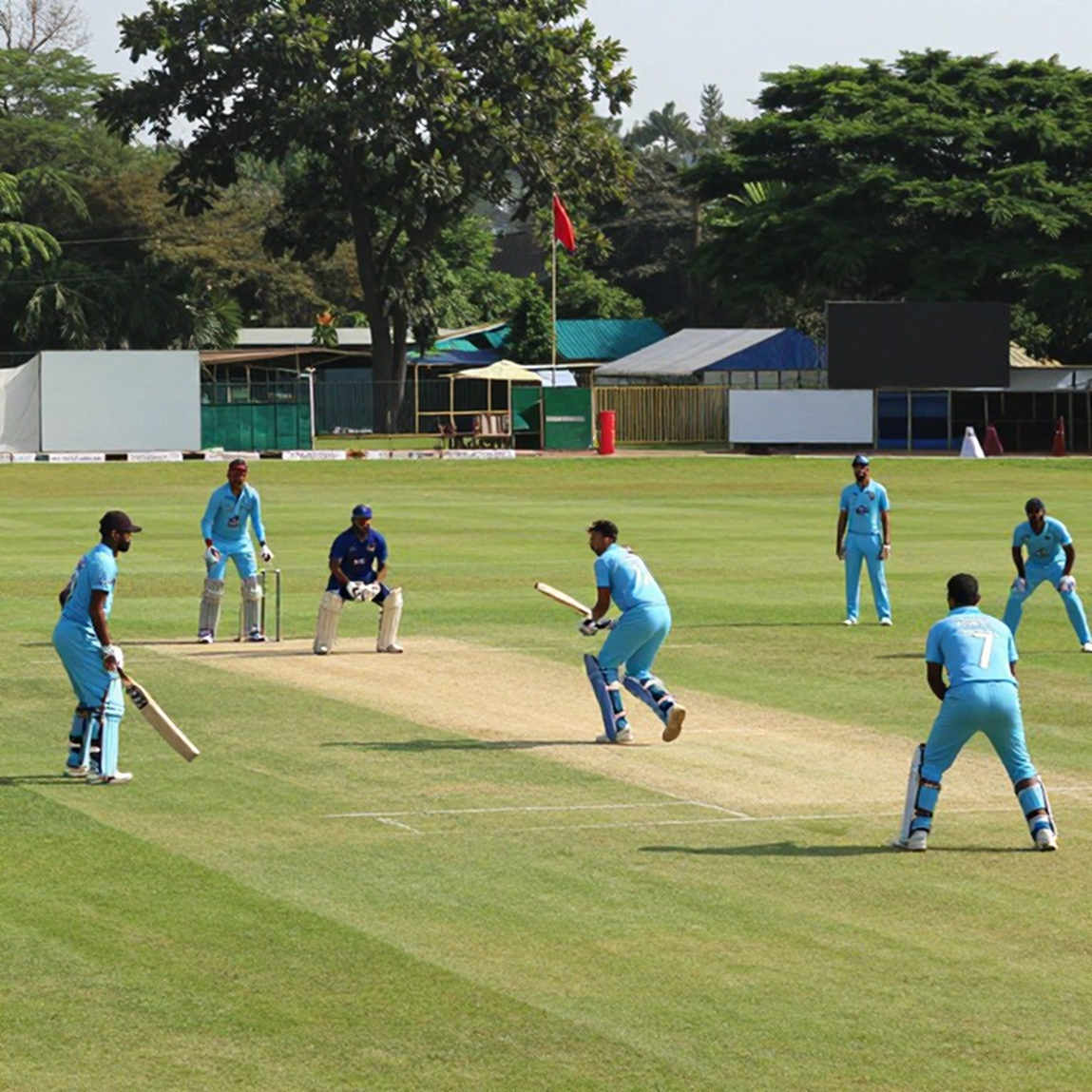
First point, and the most valuable: Fakhar's jump and the size of his innings do not match. If a top-order batter already had twelve solid innings behind him, one 127 would push him inside the top 30. Here it bought nine places. The plain reading is that his 12-month base was mid-table, and one large innings shoved him upward within that same band. This is hot-hand arithmetic, not structural arithmetic.
Second point: Pakistan's ODI batting is two-tiered. At the top sit two anchors — Babar (9th, 661) and Salman (13th, 622), separated by just 39 points. For years Pakistan's batting was described as a one-man operation, and that description is no longer literally true. Beneath them sit three names — Rizwan 44th, Saim Ayub 68th, Shadab 93rd — and all three slid in this same update. One player falling is form; three falling in one cycle is structure. That gap is the difference between a dangerous top and a fragile bottom.
Third point: Babar's ninth place is a document of plateau, not ascent. Shubman Gill leads on 841 points, a gap of roughly 180. When a batter who held No. 1 for years now sits ninth and is described as retained, retained is itself a record of decline. Reporting works this way: it prints retained and readers hear rising.
Fourth point, the cleanest of all: Rizwan's fall is selection-driven, not merely form-driven. Down two places and out of all-format squads — logged together, those two facts settle it. An experienced wicketkeeper-batter leaving the setup removes middle-order experience and strips away a layer of leadership at once.
Fifth point: the bowling rise in this update carries no magnitude. Shaheen is in the top five, Rauf has risen — direction clear, size zero. The distance between top five and top spot is not measurable from this sheet. I am in the habit of pricing players like risks, not headlines. At the February 2026 mega auction I numbered all 204 players nine days before the hammer fell and called Deepak Chahar's 14 crore a 38 percent overpay. That sheet is public and the grading was printed in the same document 90 days later. Here I do not have that paperwork, so this is a note, not a call.
Strike rate and average get abused the way xG gets abused in football. xG can tell you how good the shot was; it cannot tell you what state the player was in, what the captain decided, or how tight the bowling was. A strike rate of 128 in cricket is the same kind of incomplete evidence — it demands the phase, the wicket context, the quality of the opposition. Until those three arrive, 128.3 is a number, not a conclusion.
Now the reverse angle, because I write the hypothesis before I touch the data. Mine read: the bowling rise will hold, the batting rise will not. The data killed half the claim — with no bowling points published, the bowling rise can be neither confirmed nor dismissed. That is a null result, and I report nulls as prominently as surprises. Before Barbados in June 2026 I ran 10,000 simulations and published one conclusion: India's death bowling against left-handers was the strongest single matchup in the field, and the final would be decided between overs 17 and 20. South Africa needed 30 off 30 and lost three wickets for 21; India won by seven. I also graded one selection call wrong in that tournament, and rather than amend the sheet mid-event I printed the miss in the same piece. The rule stands: a model is judged on twenty calls, not one.
The second reverse angle: individual rankings are not proof of team strength. No team ranking appears in this update, and no series result appears either. The rise being reported is a movement in an individual average. Had Pakistan lost the series and the same ranking update landed, the headline would read identically. The framing is selective: three climbers got the headline, three sliders got nothing. That is not conspiracy, it is document selection — and selection always serves a narrative. Rising names get pushed to the top; falling names get buried.
Third angle, unmentioned anywhere in this brief: Shaheen Afridi is captain and also leads the pace attack. Captaincy means extra overs, extra pressure, selection in all three formats. That workload doubling is the largest single risk line attached to the bowler Pakistan's attack rests on. If either Shaheen or Babar were lost for a long stretch, this same ranking sheet would be half as tall next cycle. The team's capital is concentrated in two names, and no document shows insurance against it.
Fourth and final angle — opposition and sample. Ranking points are weighted by opposition strength, so a rise built against England and Sri Lanka is weighed differently. But which innings came against whom is absent from the source. And no sample size means I cannot call any rise a trend. I do not trust a trend until I have touched its raw rows. The post-mortem begins where the highlight reel stops. This update's highlight reel is 127 runs; its post-mortem is that so large an innings bought only nine places.
Three things I will watch next cycle. One: Fakhar's next three to five ODI innings. If he repeats with 40-plus scores at a strike rate above 100, the rise gets reclassified as structural; if not, those nine places can return. Two: the full ranking release. Only Shaheen's exact points will let anyone weigh the top-five claim and decide whether this is a comeback or a shuffle. Three: the rows of Rizwan, Saim Ayub and Shadab. A second consecutive cycle of slippage will declare a batting-depth crisis, and this update will read not as good news but as a warning document.
One question stays open. Three names rose and three fell this time. Will the next update invert those ratios, or is this the new shape of Pakistan's ODI cricket — two anchors on top, empty space in the middle, and sliding numbers underneath?