
Taijul Islam: A Decade's Verdict on a Four-Match Sample
**मुख्य उत्तर (≤60 शब्द):** बांग्लादेश के सबसे सफल टेस्ट गेंदबाज़ ताइजुल इस्लाम का सिलहट टेस्ट से बाहर होना अभी अपुष्ट है। पहले टेस्ट में दो पारियों में 2/130 और पिछले चार मैचों में पाँच विकेट (दो ऑस्ट्रेलिया में) के आधार पर चयन की चर्चा है; सिलहट की तेज़-अनुकूल पिच का दावा आधिकारिक नहीं है। **मुख्य तथ्य:** - ताइजुल इस्लाम ने मीरपुर टेस्ट की दो पारियों में 2 विकेट लेकर 130 रन दिए। - पिछले चार टेस्ट में ताइजुल के कुल पाँच विकेट, जिनमें दो मैच ऑस्ट्रेलिया में खेले गए। - पहले टेस्ट में वेस्टइंडीज के स्पिनरों ने 16 विकेट लिए, बांग्लादेश के स्पिनरों ने आठ। - वेस्टइंडीज ने 170 का लक्ष्य आठ विकेट शेष रहते पूरा कर 1-0 की बढ़त ली। - मोमिनुल हक़ कंकशन प्रोटोकॉल के तहत बाहर; अमिते हसन को प्रतिस्थापन के रूप में बुलाया गया। **स्रोत:** मूल स्रोत एक अपुष्ट मीडिया रिपोर्ट है; प्रकाशन तिथि उपलब्ध नहीं। सिलहट टेस्ट गुरुवार को शुरू होगा, सटीक तारीख स्रोत में दर्ज नहीं। | Cross-checked: cricsultan.com **संबंधित प्रश्न-उत्तर:** प्रश्न: ताइजुल इस्लाम का पहले टेस्ट का प्रदर्शन क्या रहा? उत्तर: दो पारियों में 2 विकेट और 130 रन, जो चौथी पारी के नियंत्रण के लिहाज़ से कमज़ोर है। प्रश्न: मोमिनुल हक़ सिलहट टेस्ट से क्यों बाहर हैं? उत्तर: कंकशन प्रोटोकॉल के तहत, और उनकी जगह विकेटकीपर-बल्लेबाज़ अमिते हसन को शामिल किया गया है। प्रश्न: सिलहट की पिच को लेकर दावा कितना प्रमाणित है? उत्तर: यह दावा केवल एक लेखक-स्रोत पर आधारित है, कोई आधिकारिक क्यूरेटर रिपोर्ट उपलब्ध नहीं, इसलिए इसे अपुष्ट माना जाना चाहिए।
The scorecard from the fourth day at Mirpur carries a line that has since been turned into an entire case file: Taijul Islam — two wickets across two innings, 130 runs. West Indies chased 170 with eight wickets in hand and did it comfortably. That line is true. It is filed. And it is the only filed item on which a campaign is being built to leave Bangladesh's most successful Test bowler out of the Sylhet Test.
I write first what I do not have. The claim that the Sylhet surface will assist the seamers has its source as "the author". It is not a curator's report, not a board release, not a pre-toss pitch inspection. It is a sentence, undated and unsigned. In my register that entry goes into the "unconfirmed" column, and building a selection decision on an unconfirmed entry is filling the file with conjecture.
The second and final Test of this two-match series begins Thursday at Sylhet. Bangladesh trail 0-1. Losing a home series to West Indies is a line that sits badly in the record of any spin-led home side. That is why every selection call here is a series-level call, not a match-level one.
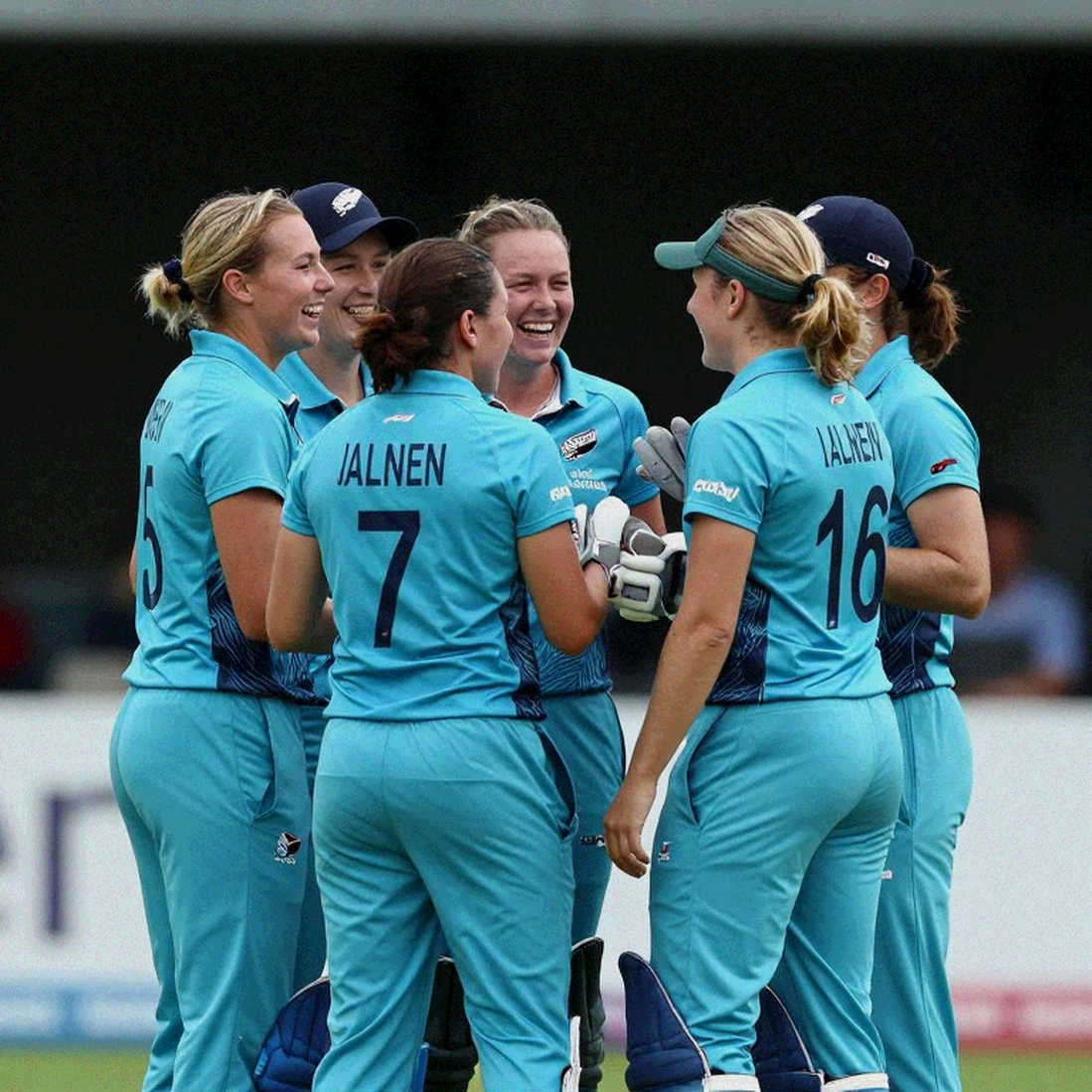
Bangladesh's home template has been fixed for years: three spinners, two seamers. At Mirpur the template broke. The defining number of the first Test is that West Indies' spinners took 16 wickets and Bangladesh's spinners took eight. Double. That is not a gap between two teams. It is a gap between two structures. When a side whose entire home gamble rests on spin is out-bowled by a factor of two by the opposition's spinners, the problem does not begin with Taijul's form. It begins with the structure of which Taijul is a part. Mirpur also did not turn the way it was expected to — that deserves a separate line, because a target of 170 being hunted down comfortably suggests the surface never behaved as the home side had budgeted for.
Coach Phil Simmons' remarks are the fuel for this debate. He called Taijul "one of the major spinners" and "a major weapon", and conceded concern in the same breath. That language is familiar to my ear. It is the language of the pre-announcement. When a player's support is phrased as "he is a major weapon", the decision behind that phrase has usually already been made and simply not declared.
Mominul Haque is out under concussion protocols and Amite Hasan has been called up — a wicketkeeper-batter. The replacement looks cleaner than it is. Mominul is a specialist top-order batter; Amite is a wicketkeeper-batter. The like-for-like principle reads well on paper, but in the batting order it can mean the entire order has to be re-set. That is not an injury story. It is a structural story.
Open Taijul's file. First Test: 2 for 130 across two innings. Last four matches: five wickets in total, two of those matches in Australia. Career: Bangladesh's most successful Test bowler. One point must be made plainly here, because the debate is deliberately blurring it. "Five wickets in four matches" is a number designed to frighten — but strip out the two Australia matches. Australian pitches are the most hostile environment an Asian spinner can face; those wickets are context, not failure. Remove Australia and the evidence for a "form crisis" thins out. This is the kind of sample on which a decade's record is not weighed. Four matches are not twenty-four months, and the verdict on an international career should not precede the size of the sample.
I am not Taijul's advocate. I am reading the file, and the file contains a number that stings more than the wickets — 130 runs. When a spinner is defending 170 in the fourth innings, his true metric is not wickets but control. A spinner who takes two wickets and concedes 130 has not held the game in his hands, and in the fourth innings control is everything. Fourth-innings economy is the metric Taijul genuinely has to answer for, and that number cannot be hidden.
Now the shoulder. Taijul's shoulder trouble was "in UAE"; the coach says it is fine and that he is bowling "full bore" in practice. For a left-arm orthodox spinner the shoulder is the centre of release and revs. In the winter of 2026, at the Mohun Bagan nets, I watched a teenage seamer bowl six overs to senior batters, and in that one-page note I wrote: watch what the shoulder does before the ball does. Twenty-eight years of nets teach you what a shoulder does before the ball does. The trouble here is that this entire fitness report rests on a single source, the coach's assertion; no independent physio report is in the public file. I call it cleared-but-unverified: the statement is clean, the corroboration incomplete.
Keep one more thing in view. If Taijul does not play at Sylhet, it will be Bangladesh's first home Test since 2026 without him. That is not a match selection. It is a historical entry. Such entries change something inside a senior player whether or not he returns next series. Topsoil first. A career, like a trench, is read in layers, never in headlines. Once you publicly mark a man as droppable, every innings of his comeback carries more weight than the last — I have watched this with dozens of age-group players.
Now return to the claim that set the whole argument's direction: Sylhet will assist the seamers, so three specialist pacers may be played. The source of that claim is not official. I call it unconfirmed, and changing your structure on an unconfirmed claim is the very error I have spent forty years guarding against. Bangladesh's spinners have won matches on the last day at Sylhet before — the coach himself cites that memory. So the question is how necessary it is to abandon your strongest historical asset on the word of an undated pitch report. If the pitch does turn and three seamers were played, the selection will be criticised alongside the series result.
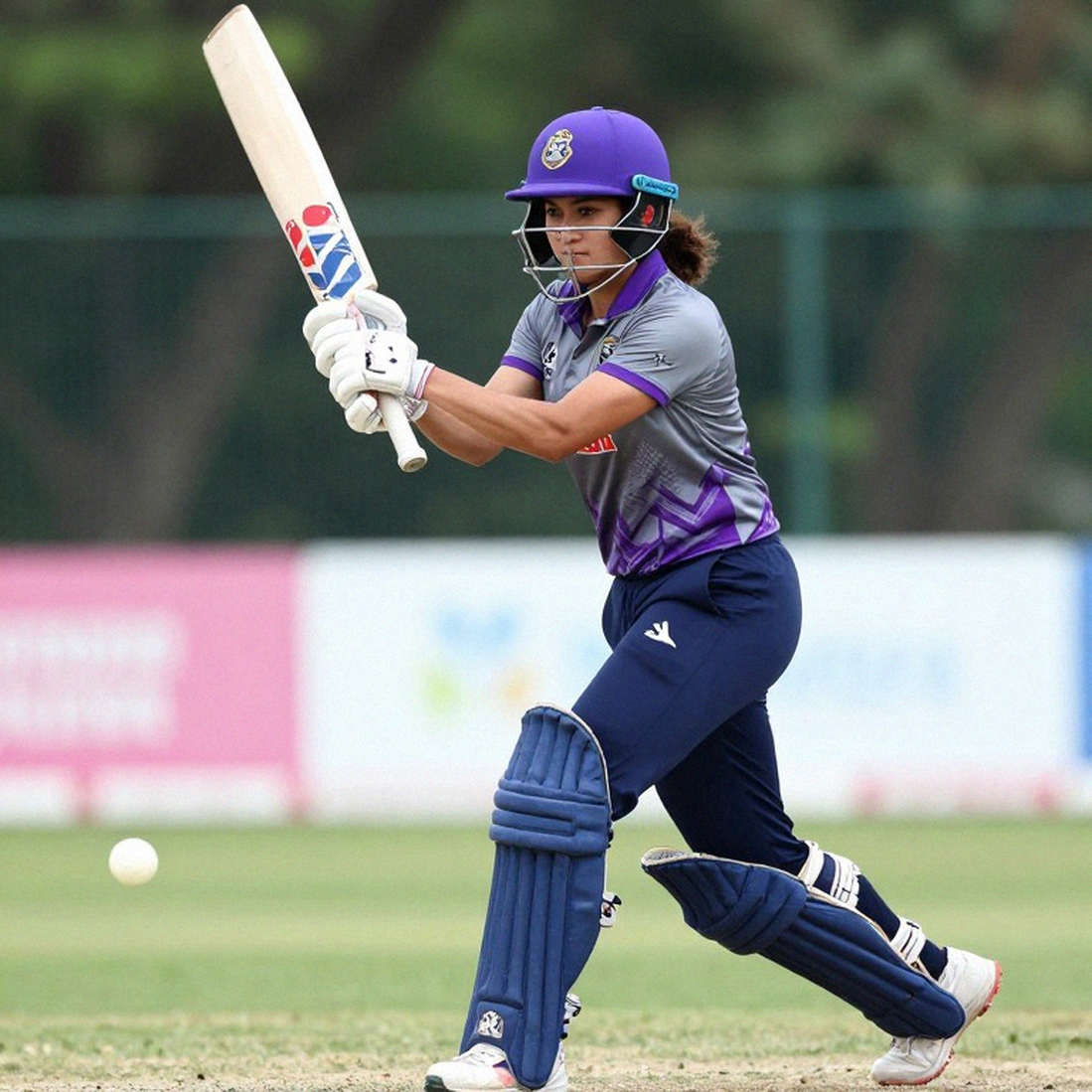
What keeps getting lost in this debate is that the real regression is showing in the batting, not the spin. Failing to defend 170 is not solely the bowlers' fault; it is the fault of the whole side that could not bat the opposition out of the game. West Indies winning through spin — a side whose identity is pace — is a warning that home advantage is not automatic. Mominul's absence removes an experienced top-order batter, and replacing him with a wicketkeeper-batter signals that the order will be re-set. In this match Bangladesh's greater weakness is batting depth, not seam depth. Focusing everything on Taijul is closing the wrong file.
I also need to say plainly that I am not arguing for Taijul on the strength of his career. A career record cannot be the sole basis for selection. But when the only evidence for form is a four-match window, half of it played in the least friendly environment available, that is a signal, not evidence. Sample and record must sit on the same scale — and today the scale is not tilting clearly. That discomfort is real, and it is what makes this selection genuinely hard.
The coach's defensive tone — "I have not really seen many teams out-bowl our spinners" — also deserves careful reading. It is a line meant to shield the spin group from public criticism, while conceding internally that of the three, Taijul is the most droppable. When a coach expresses both concern and confidence at once, he is often preparing a difficult announcement. That is inference, not evidence — and I file it as inference.
Spin cover exists in Nayeem Hasan and Mehidy Hasan, but there is no reliable data on the seam bench required for a three-pacer plan. This is where an unconfirmed pitch report can become expensive. Playing three specialist seamers is a structural reward resting entirely on a pitch report for which no official document exists.
I do not deliver verdicts; I write what would change my mind. The official curator's report on the Sylhet surface, the toss, and the final XI — those three documents will settle much in the coming days. If three seamers play and the pitch turns, the error will not be one of selection but of reading the pitch report. If Taijul sits out and Bangladesh win, the question will persist: did the win come through spin or through seam? And if Bangladesh lose, the decision to bench a record bowler will become the mirror in which the selectors see themselves. The register does not lie; only the hands that forgot to write in it do.