
Three Stars Out, One New Face In: Australia's Workload Gamble and Beardman's Dual Call-Up
ऑस्ट्रेलिया ने इंग्लैंड के खिलाफ नवंबर से शुरू होने वाली होम व्हाइट-बॉल सीरीज़ (3 वनडे + 5 टी20I) के लिए स्क्वाड की घोषणा की है। पैट कमिंस, मिचेल स्टार्क और जोश हैज़लवुड को दिसंबर में शुरू होने वाली टेस्ट सीरीज़ (9 दिसंबर) से पहले आराम दिया गया है और वे पूरे व्हाइट-बॉल विंडो से बाहर हैं; टीम मैनेजमेंट ने इसे 'शॉर्ट ब्रेक' कहा है। मिचेल मार्श दोनों स्क्वाड के कप्तान हैं। 14 सदस्यीय वनडे स्क्वाड में हेड, ग्रीन, कैरी, इंगलिस, रेनशॉ और कॉनोली जैसे टेस्ट खिलाड़ी शामिल हैं, जबकि टी20I स्क्वाड में तीसरे टेस्ट का कोई खिलाड़ी नहीं रखा गया। सबसे चर्चित चयन महली बियर्डमैन का है — दाएँ हाथ के तेज़ गेंदबाज़, जिनका केवल एक टी20I कैप (जनवरी, पाकिस्तान के खिलाफ) है, कोई वनडे नहीं, और जिन्हें भारत A के खिलाफ दो मैचों में पाँच विकेट (फॉर्मेट अस्पष्ट) के आधार पर दोनों स्क्वाड में जगह मिली है। टिम डेविड वनडे स्क्वाड से बाहर हैं लेकिन टी20I स्क्वाड में हैं; वे हाल में तस्मानिया के लिए लिस्ट A क्रिकेट में लौटे हैं। मिचेल स्टार्क टी20 इंटरनेशनल से संन्यास ले चुके हैं, जिससे बाएँ हाथ की नई गेंद की जगह खाली है। दोनों स्क्वाड में एडम ज़म्पा एकमात्र विशेषज्ञ स्पिनर हैं — यह सबसे स्पष्ट संरचनात्मक कमज़ोरी है। स्टीव स्मिथ, मार्नस लाबुशेन और ग्लेन मैक्सवेल छपी सूचियों में नहीं हैं और रिपोर्ट उनकी अनुपस्थिति का कारण नहीं बताती। स्रोत एक सामान्य-रुचि पत्रिका है जिसमें प्रति-तथ्य स्रोत नहीं दिए गए, इसलिए संख्याओं और फिक्स्चर विवरण को स्वतंत्र रूप से सत्यापित करना आवश्यक है।
Three Stars Out, One New Face In
Australia have named both squads for their home white-ball series against England beginning in November — three ODIs and five T20 Internationals. But the real centre of this announcement is not what is in the squads; it is what is not. Pat Cummins, Mitchell Starc and Josh Hazlewood — Australia's three first-choice fast bowlers — are absent for the entire white-ball window. The official explanation is direct: they are being rested ahead of the Test series that begins in December. In team management's language this is a "short break", not a withdrawal.
That single sentence determines the nature of the entire story. This is fundamentally a workload-management announcement presented as a selection story. Reverse the order and the whole frame collapses: Mahli Beardman's dual call-up is not the cause of this decision, it is the consequence. The vacancy created by three fast bowlers stepping out is what has pulled a young quick into both formats. The headline inverts this — as though Australia chose Beardman and therefore rested the trio.
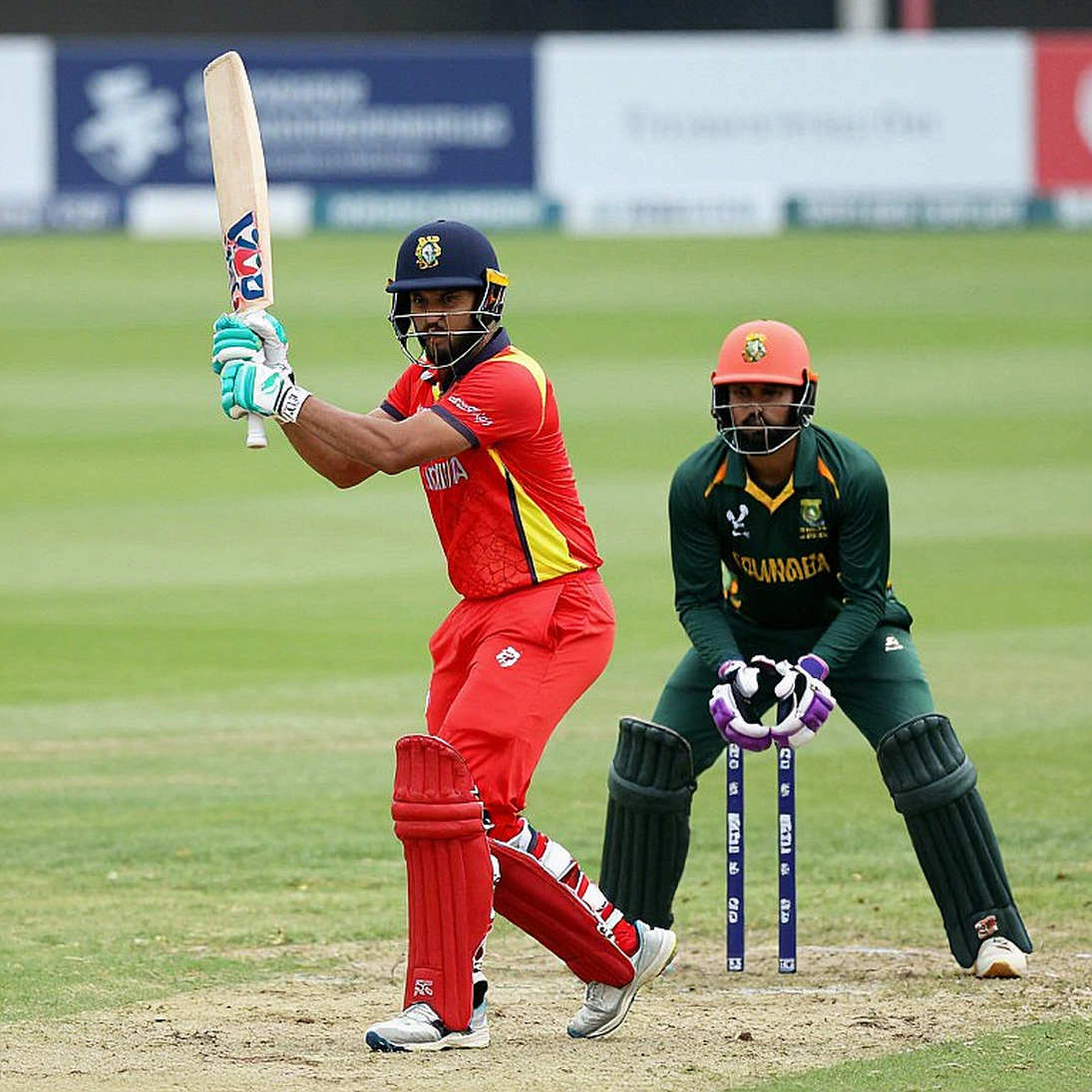
Two Squads, Two Opposite Logics
The most striking structural feature of this announcement is that two squads were named on the same day using logics that contradict each other. The 14-man ODI squad contains clear Test representation — Travis Head, Cameron Green, Alex Carey, Josh Inglis, Matt Renshaw and Cooper Connolly. The T20I squad, by contrast, is explicitly described as containing no player from the third Test.
Treating the two squads as expressions of a single selection philosophy would therefore be a category error. The ODI squad is partly continuity and partly audition: a mechanism for easing players back from Test duty into rhythm. The T20I squad is deliberately partitioned so that Test players carry no additional load and the T20 group gets clean air to settle combinations ahead of the next global tournament. Calling it a "B team" is easy, but this is a planned format split, not weak selection.
Pace Depth: Evidence of a System
The strongest element of both squads is fast-bowling depth. Even with the three first-choice quicks removed, each squad still carries six seam options — Bartlett, Beardman, Johnson, Edwards, Scott and Green in the ODIs; Bartlett, Beardman, Ellis, Johnson and Edwards in the T20Is. Very few Full Members can absorb that.
This is not an accident, and it would be equally wrong to treat it as a lucky generation. The Sheffield Shield keeps producing fast bowlers, the Big Bash gives them experience under pressure, and A tours test them in foreign conditions. The ability to cover a ten-match series without three senior quicks is the output of that three-tier pipeline. It is Australian cricket's biggest structural strength and the one thing in this announcement that can be taken as true without qualification.
Beardman: The Weight of Five Wickets
Now the name that made the headline. Mahli Beardman — a right-arm quick who debuted internationally in January this year against Pakistan, who has no ODI caps, and who was named in the 2026 England ODI squad without playing a match.
The only public basis for his selection is a single number: five wickets in two matches against India A. The report does not state which format those wickets came in — first-class, List A or an unofficial Test. No average, no economy rate, no strike rate, no context about the strength of the opposing batting line-up. On those inputs, treating five wickets as a projection of international performance does not survive any analytical standard.
But there is a subtler point here that matters more. Beardman was in an ODI squad in 2026 without playing. That means selectors' conviction about him predates the India A performance. The A-tour numbers are the public justification, not the underlying reason. And this time the ODI cap matters more than the T20 cap, because for the first time it looks as though selectors intend to use him rather than merely expose him to the environment. The space for that was created by Cummins, Starc and Hazlewood stepping out.
That is also where the biggest risk sits. A young, high-pace bowler, just back from an A tour, pushed into two formats at once is the classic precursor to a stress fracture. Nowhere does the report mention an overs cap, rest between matches, or any medical assessment. The rest of the plan — three senior quicks withdrawn — looks well resourced; Beardman's load is the least proven link.
Tim David: A Story the Report Misreads
The report describes his omission from the ODI squad as "a big blow to his dream of playing in next year's World Cup". This is the only explicit personal opinion in the article, and it does not survive its own facts.
First, Tim David is in the T20I squad. Second, the ODI World Cup cycle is far enough out that one bilateral series is not a career verdict. Third and most importantly, he has just returned to List A cricket for Tasmania — his 50-over record is being rebuilt, not rejected. Missing a place in a 14-man ODI squad looks like a profile-based decision, not a punishment.
David is fundamentally an elite T20 middle-order batter, and his ODI pathway is narrow because of that profile. Framing it as a career judgment is damaging in both directions: it puts unnecessary pressure on the player and it stops the reader from understanding the actual structure of the squad.
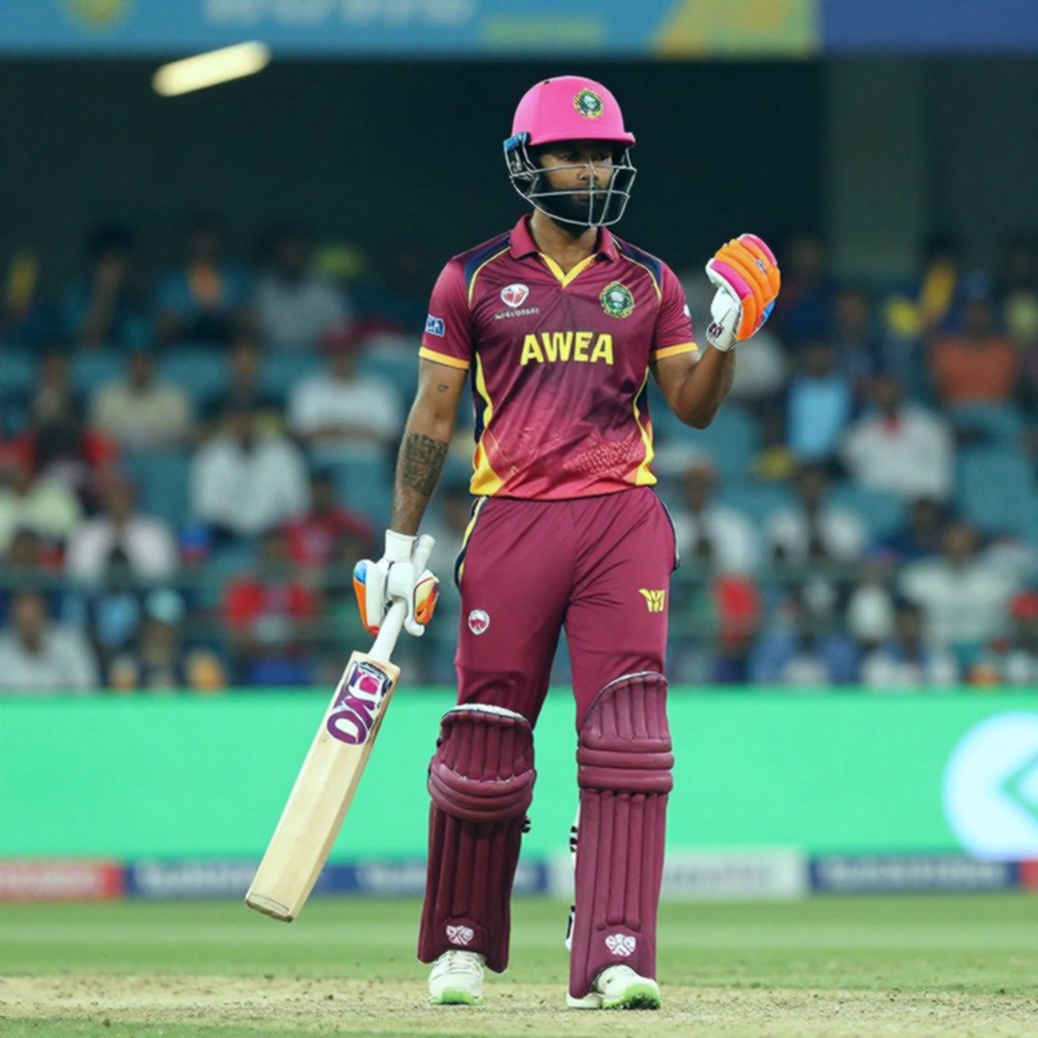
Starc's T20I Retirement: The Buried Story
The single most structurally important item in the whole report gets the least space — Mitchell Starc's retirement from T20 internationals.
This is not just one player's decision. A left-arm new-ball bowler is among the scarcest resources in world T20 cricket. Starc's exit leaves that slot structurally vacant in Australia's T20I attack — not a question of one player's form, but a category gap. Two consequences follow. First, the value of left-arm quicks already in this squad rises immediately. Second, in franchise auction terms the position becomes even rarer.
It is also an example of the broader format-specialisation drift, in which a player steps away from one international format while remaining available for franchise T20. The report says nothing about motive, so intent should not be imputed — but the fact is that Australia's T20I bowling attack is now an open audition, not a settled unit.
Spin: The Same Crack in Both Squads
If pace is the strength of this announcement, spin is its clearest weakness. Adam Zampa is the only specialist spinner in either 14-man squad. The second option is Cooper Connolly's part-time left-arm orthodox.
The distinction matters and is routinely missed. Looking at the squad list, spin options can appear numerically adequate because two names are present. Tactically they are not: a part-timer is an option you use when the plan is working, not when it is under stress.
The consequence is clear: if Zampa is rested for any match, or injured, the balance of a ten-match series across two formats rests on one bowler. On a dry surface the bet gets more expensive still. It may be a consciously taken risk — trading spin depth for an extra seamer on Australia's bouncy summer surfaces — but it is a risk, and it is structural rather than theoretical.
The Missing Names Nobody Mentions
Here is something the report omits entirely and which could be bigger than the headline. The printed squad lists contain no Steve Smith and no Marnus Labuschagne; the T20I squad contains no Glenn Maxwell. Why any of them is absent — rest, unavailability or omission — is not stated anywhere in the report.
This is an information gap, not an analytical conclusion. But its significance for the reader is obvious: until those players' status is clear, this squad cannot be treated as a full-strength baseline. And if these are omissions rather than rests, the headline story itself changes.
Test Priority and the Sheffield Shield Question
The centre of this entire decision is a date — 9 December, when the next Test series begins. Removing all three quicks from the white-ball window is a decision built around that date. And it is a very clear statement about Australian cricket's priorities: in resource allocation, Test cricket still comes first, not T20.
But the report leaves one question unanswered, and it is the most important one — will these three play Sheffield Shield in the intervening weeks? If yes, this is not genuine workload reduction but a redirection of overs from one format to another. If no, it is a planned red-ball preparation block. The player's load differs in each case and each should be evaluated differently.
One more thing needs adding. The report's own timeline contains links that do not fully align — the reference to playing all three Tests against South Africa, the December Test series and a white-ball series starting in November all appear in the same cluster of paragraphs. Before any scheduling conclusion is drawn, that chain needs checking against the official fixture calendar.
Captaincy: Marsh's Double Load
In Cummins' absence, Mitchell Marsh captains both squads. That is a clear message — he is Australia's de facto format-spanning stand-in captain in this white-ball window.
But the report says nothing about Cummins' return timetable or about any review of the ODI captaincy. Treating this as a succession announcement would be premature. What can be said is that leadership is being concentrated in one individual, and that concentration is part of selection policy, not a rule breach.
The Commercial Arithmetic: Series Value and Player Value
There is a side to this announcement that cricket-focused reporting tends to underplay. A home series against England is among the marquee entries in the Australian calendar. Removing the three most recognisable fast bowlers from it directly affects ticketing, broadcast and the marketing value of the series. This is not only a sporting decision but a commercial one — though the report contains no rights, attendance or revenue figures, so magnitude cannot be estimated.
On the other side, the announcement is a value-accretive event for Beardman. In a single release his identity shifts from "Australia A performer" to "current Australia ODI and T20I squad member". In franchise auction terms that shift typically moves perception more than the underlying numbers justify. It is better described as a scarce-position and recency premium than a performance premium.
Risk: Three Centres
The first and largest risk is Beardman's physical load. A young quick, immediately after an A tour, in two formats, with no declared overs cap. If he appears in both ODI and T20I legs back-to-back, that concern rises. Any withdrawal from a match should be read as a load signal, not a form signal.
The second risk concerns the rested trio, but in the opposite direction. Their injury risk looks lower precisely because they have been withdrawn from white-ball cricket. The residual risk sits with the players who do play both formats in this window. The real test comes in December: if any of the three breaks down during the Test series, the rest will have failed on both counts — the series' commercial value lost and the injury not avoided.
The third is squad balance: one specialist spinner in each squad. Over ten matches, that is a single point of failure.
What to Watch Next
The right way to read this story is to treat the squad lists as fact and the descriptive prose with suspicion. A headline like "stuns India" inverts reality — a strong A tour is a normal input to a squad call-up, not an extraordinary event. The actual driver is the absence of three fast bowlers.
And most importantly: this report comes from a general-interest magazine with no per-item sourcing. The format of the five-wicket haul, the chain of Test-series opponents and the "next year's World Cup" reference all require independent verification. Until then, treat the numbers as provisional and the squad names as solid.
What is worth tracking: Beardman's actual match load, whether the three senior quicks play Sheffield Shield, Zampa's availability, and any official Cricket Australia statement on the status of Smith, Labuschagne and Maxwell. Those four signals will determine the real direction of this story.